

17 Apr Drum-and-Bass Revival 2026: Why the Scene Is Booming Again After 30 Years
17.04.2026
Drum and bass never really left. But in 2026, the scene is at a level unseen since the mid-nineties. Chase & Status are packing out British arenas. Nia Archives became the first jungle artist in 26 years to earn a Mercury Prize nomination. Baddadan hit number 5 on the UK charts. And on TikTok, 170-BPM hooks are being perceived as 85-BPM beats. The nineties scene is back—and it’s gone pop. This has never happened before.
The numbers behind the revival
Drum and Bass has been a distinct genre since the mid‑1990s: 170 to 180 BPM, a half‑time‑felt breakbeat, dominant bass drops. Born out of jungle in UK underground clubs, it first broke into the mainstream in 1997 thanks to Roni Size/Reprazent and the Mercury Prize for “New Forms”. Afterwards it lived for decades as a scene genre, strong in continental Europe (Germany, Czech Republic, Benelux), and periodically surfacing in UK chart waves. But it has never been as tightly intertwined with pop charts as it is today.
The revival moment is measurable. Music Week detailed the chart resurgence of Chase & Status. “Baddadan” with Bou and featuring artists IRAH, Flowdan, Trigga and Takura rose to No. 5 on the UK Singles Chart in 2023 with 241,900 units sold. That’s the band’s first top‑10 hit in ten years. But it’s only the beginning. The follow‑up album “2 Ruff, Vol. 1” placed four singles in the UK Top 40 simultaneously – a feat no British act has achieved since 2010.
At the same time, Nia Archives stepped onto the big stage. The Bradford‑born producer, DJ and songwriter released her debut album “Silence Is Loud” on 12 April 2024 via Hijinxx and Island Records. The album blends classic ’90s jungle breaks with Britpop and alt‑rock influences. Mixmag reported that Nia Archives was nominated for the Mercury Prize on 26 July 2024, becoming the first jungle artist since Roni Size (1997 with “New Forms”) to receive a nomination. A 26‑year gap closed in a single day.
The festival scene is exploding in parallel. Hospitality Records runs the Hospitality Weekend at London’s Printworks – sold out within minutes in both 2024 and 2025. Rampage Open Air in Belgium has scaled to over 45,000 attendees. Let It Roll in Prague draws 45,000 people and has expanded its stage concept to five main stages. The 2025 season has spawned new festivals: wherever house and techno dominated five years ago, DnB‑dedicated events now exist. The scene is growing hardware‑wise: more events, more booking, more production infrastructure, more career paths for producers.
Why DnB Has Gone Pop
The most fascinating thing about this revival isn’t its scale — it’s the integration into the pop mainstream. And there’s a technical reason for that. Drum and Bass runs at 170 to 180 BPM. From a music psychology standpoint, that’s well beyond what most people perceive as “danceable” — 120 to 130 BPM is the comfort zone. For a long time, that was exactly why DnB could never go pop.
2024 changed that. And TikTok is why. The algorithm often presents 170-BPM tracks in hook form, but people dance to them at half the tempo — hearing the snare on every fourth beat and intuitively perceiving it as 85 BPM. It’s a perceptual trick that made DnB suddenly compatible with mainstream ears. The dropped bass hits deep and heavy, but the perceived tempo feels comfortable. Producers like Chase & Status understood this and deliberately built tracks to function as half-felt hooks on TikTok.
The second element is vocal integration. Traditional DnB rarely featured vocals — or only MC cameos. The new generation works with fully composed hook melodies. Nia Archives sings on her own album. Chase & Status bring in Flowdan, IRAH and Takura as top-line vocalists. Becky Hill on Wilkinson’s “Afterglow” was the blueprint for this formula back in 2013. Today it’s standard. Vocals make tracks radio-ready and Spotify-friendly — without them, a track takes a massive hit in the streaming algorithm.
The third element is cross-genre collaboration. Stormzy teamed up with Chase & Status on “BACKBONE” to hit number 1 on the UK charts. Skrillex collaborated with UK DnB producers in 2024. Charli XCX wove jungle samples into her Brat-era tracks. These crossover moves aren’t accidents. They’re deliberate strategic decisions by labels and booking agencies positioning DnB as the next mainstream genre.
The Three Faces of the New Scene
To understand the revival, you should study three acts. They’re not the only relevant ones, but they represent the three dimensions of the phenomenon.
Chase & Status (Established Pros, Arena Scale): Saul Milton and Will Kennard have been in the game since 2003—four albums, Brit Awards 2023/24 for “Producer of the Year.” Their role in the revival is that of arena-fillers. Together with Stormzy, Becky Hill, and other featured artists from the club scene, they’ve scaled up the infrastructure to reach the masses. The “2 Ruff” project is no accident—it’s the first DnB double album in years to spawn four simultaneous UK Top 40 singles. These gentlemen consciously play the senior pop act, opening the doors for the scene.
Nia Archives (Newcomer Critics’ Darling, Crossover Artist): While Chase & Status build the arena, Nia Archives builds the bridge to the indie audience. Born in 2002, raised in Bradford, she drew attention with her Britpop-meets-jungle fusions. Her Mercury Prize nomination gave the scene the cultural seal of approval it had lacked since Reprazent in 1997. She signed with Island Records—that’s a major deal. She’s probably the best chance DnB has of landing on the main stages at festivals like Glastonbury and Reading.
Hedex / K Motionz (Underground Rep, Jump-Up Purist): The third dimension is the hardcore underground rising from the depths of the scene. Hedex, K Motionz, Culture Shock, Bou—they represent the jump-up and rolling DnB sound that rarely appears in mainstream media but dominates the core party spaces of the UK scene. In 2024, K Motionz released a remix of Sub Focus and Katy B’s “Push the Tempo” that exploded in DnB charts and festival sets. The underground validates the mainstream—and vice versa.
“We’ve learned that DnB doesn’t have to fight pop. DnB can become pop without ceasing to be DnB. 170 BPM still sounds like 170 BPM, but if the hook is right and the bassline hits, people will dance—regardless of how they perceive the tempo.” That was the discovery of 2023 and 2024.
Saul Milton (Chase), quoted in Music Week Talent Feature 2024
What it means for the original ravers
Every scene revival has winners and losers. The original ravers—people who stood in Metalheadz clubs back in 1995, for whom drum & bass never went away—are reacting in divided ways to the current mainstream chapter. Some are thrilled their music style is finally getting the recognition it deserves. Others feel the scene’s exclusivity is slipping away. Both reactions make sense.
On the plus side: more infrastructure means more clubs, more DJ booking slots, bigger production budgets for labels, and greater visibility for up-and-coming artists. Hospital Records, Ram Records, and UKF have significantly more release budgets for 2024 and 2025. The scene’s label economy is as healthy as it’s been in 20 years. Ultimately, this benefits everyone—even underground producers who aren’t directly affected by mainstream offshoots.
On the downside: club culture is losing its conspiratorial edge. When Chase & Status play the O2 Arena, it’s no longer an underground night. When TikTok hooks are blasted at 170 BPM through algorithmic feeds, drum & bass is no longer a secret. For original ravers who saw DnB as a cultural antithesis to pop mainstream, this feels like an identity crisis. These are the people now retreating to smaller, niche events—warehouse parties, DIY raves, scene pockets beyond the big-money circuit.
The outlook for 2026 and 2027 suggests the scene will split in two. A mainstream arm led by Chase & Status, Nia Archives, Wilkinson, and Sub Focus, with arena shows, chart hits, and festival headliner slots. And an underground arm rooted in Hospital Records culture, the Drum&BassArena community, and DMZ dubstep sympathizers—keeping the scene deep and true. Both sides need each other. Mainstream brings money and attention; underground brings authenticity and musical evolution. It’s the same dynamic that worked in 1997–1998, and it’ll still hold in 2026. If you’re new to the scene, explore both directions—but don’t skimp on concert earplugs. The bass levels in DnB spaces are no joke.
Post-Show Q&A
Click on a question to reveal the answer.
Is drum and bass the same as jungle?
Why the revival now and not ten years ago?
Which festivals in the DACH region are worth checking out in 2026?
How do I get the DnB sound into my setup?
Is this revival here to stay, or just a moment?
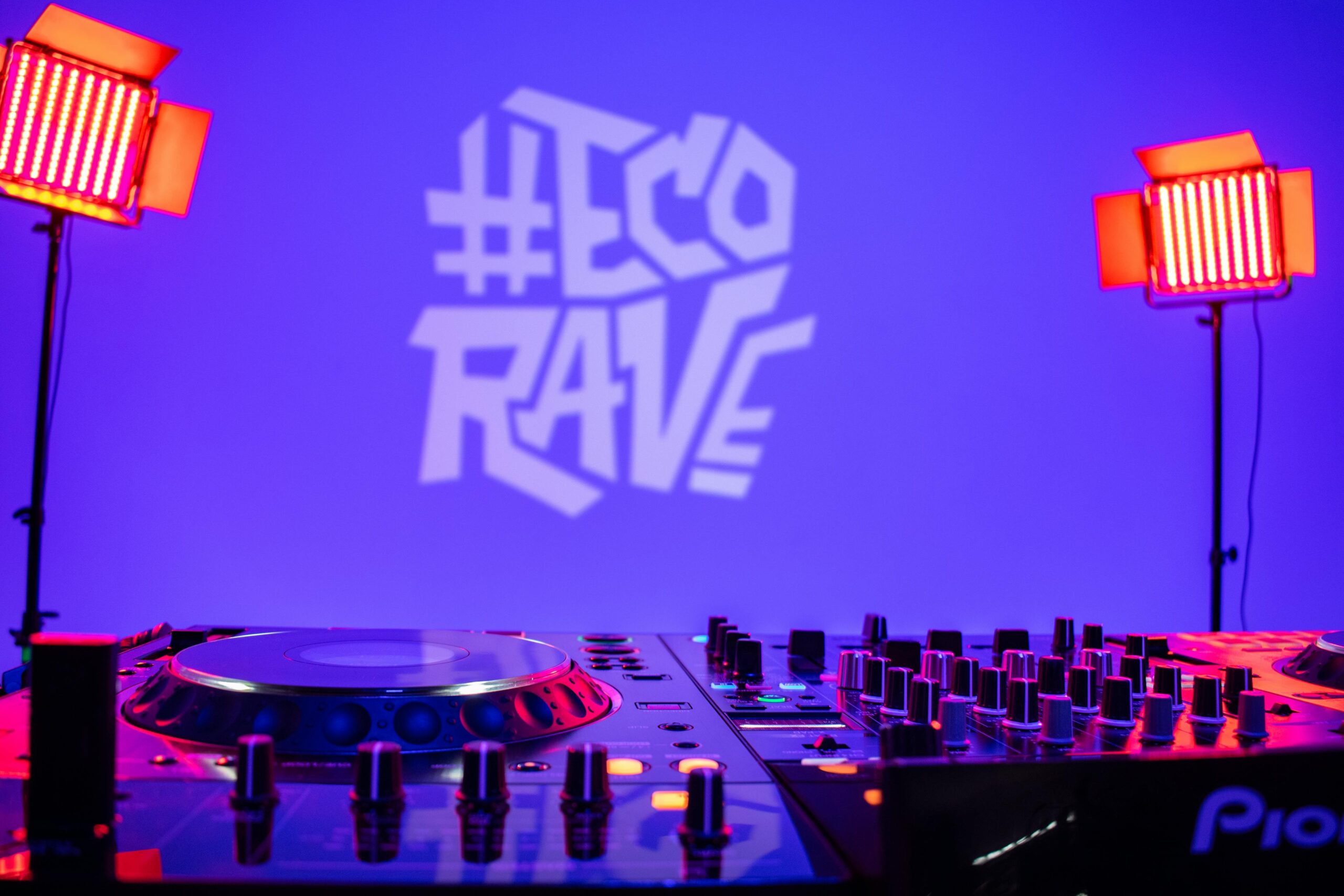
Source header image: Pexels / Fernando Serrano

K-Pop B-Sides: Why hidden tracks outlast the singles →Concert earplugs tested: Protect your hearing, keep the sound →Sombr 37 arenas: How bedroom pop is flipping the pop industry →Audiophile setups under 2,500 Euro: The 2026 budget Hi-Fi scene →Ultra-running gear 2026: The 200km test (IBS) →
Translated from the German original using artificial intelligence. The German version is authoritative.