
05 Feb Sampling: How a Loop Writes Music History
▶ 4:42 Reading Time
Daft Punk took a funk loop by Edwin Birdsong and turned it into “Around the World.” Kanye West chopped up an Otis Redding vocal and built “Otis” around it. The Avalanches constructed an entire album from 3,500 samples. Sampling is the art of creating something new from the old – and it has reshaped music history more profoundly than any instrument ever has.
The Birth: Breakbeats in the Bronx
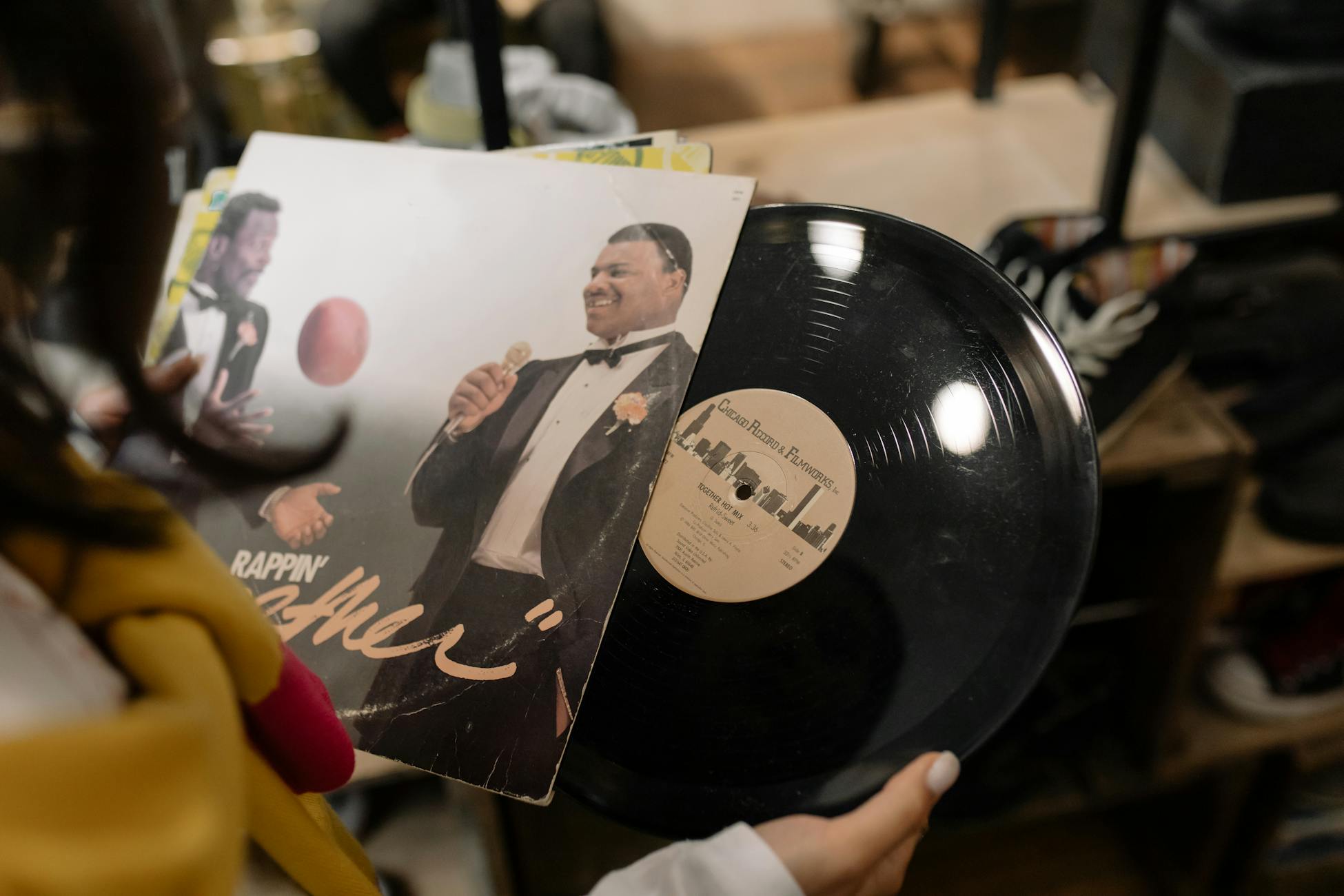
It all started with DJ Kool Herc in the early 1970s. He played two copies of the same record and looped the instrumental break – the part where only the drums played. The B-Boys danced to it. That was the foundation of HipHop and simultaneously the birth of sampling.
The idea was simple: Take the best part of a song and make it the whole song. The Amen Break, a six-second drum solo from Gregory Coleman’s “Amen, Brother” (1969), became the most sampled piece of music in history. You hear it in thousands of songs, from Jungle to Drum & Bass to Bass Music that you feel physically.

The Golden Era: HipHop and the Crate Diggers
In the late 1980s and early 1990s, sampling became an art form. J Dilla, DJ Premier, Pete Rock, and RZA scoured record stores for obscure Soul, Jazz, and Funk records. They discovered treasures no one knew and transformed them into beats that shaped a generation.
Public Enemy’s It Takes a Nation of Millions layered dozens of samples into a sound collage that was revolutionary. The Avalanches went even further: Since I Left You (2000) consists of an estimated 3,500 samples melting into something completely new.
The Legal Battle
In 1991, Gilbert O’Sullivan sued rapper Biz Markie over an unlicensed sample. The judge issued a landmark ruling: sampling without a license is theft. The music industry changed overnight.
Suddenly, every sample had to be licensed. Costs exploded. A well-known sample could cost tens of thousands of dollars. Many producers turned to more obscure sources or began playing and manipulating their own samples. The AI Music Debate shows parallels: It also revolves around the question of who is allowed to use what.
“Sampling is the most democratic form of music production. You don’t need a studio, no instrument, no training. You need ears, taste, and a record.”
Sampling Today: Between Homage and Industry
Today, sampling is professionalized. Services like Tracklib offer pre-cleared samples. AI tools can isolate stems that were previously unreachable. Metro Boomin and Tyler, the Creator sample just as much as indie producers on SoundCloud.
The art has changed, but the principle remains: Listen closely, find something special, make it yours. The Best Driving Songs are often those whose samples you only recognize on the third listen.
The Legal History: From Wild West to Licensing Model
Until 1991, sampling was the Wild West. Producers took what they wanted, and no one asked. Then came the case Grand Upright Music v. Warner Bros. and everything changed. The judge opened his ruling with a Bible quote: “Thou shalt not steal.” From that moment on, unlicensed sampling was a legal breach.
The consequences were dramatic. The golden era of HipHop with its dense sample collages became unaffordable overnight. De La Soul could not release their legendary debut “3 Feet High and Rising” on streaming platforms for years because the sample clearances were too expensive. It finally appeared on Spotify in 2023, 34 years after the release.
Today there are platforms like Tracklib that solve the problem elegantly. You browse a catalog of pre-cleared samples, pay a license fee, and you are legally safe. For bedroom producers, this is a gamechanger. You get the warmth of a real vinyl sample without the risk of a lawsuit.
The dilemma remains: The wildest sample uses often arose from illegality. If you only use licensed samples, you think differently. Safer. Some argue the art suffers. Others say: Creativity always finds a way. The AI Debate raises the same question on a new level.
Sampling in Practice: How a Loop Is Born
You sit with a laptop and Ableton. You hear an old funk track and somewhere at minute 2:37 the drummer plays a fill that stops you. Two seconds. You don’t need more.
You isolate the two seconds. Pitch them down. Put them in a loop. Suddenly you have a pattern that was never intended that way, but sounds exactly like something no one has heard before. You put a kick underneath, a hi-hat on top, a bass that doubles the original groove. The funk track from 1974 becomes the beat from 2026.
That is the magic of sampling. You don’t work in a vacuum. You work with the history of music as raw material. Every loop is a conversation between past and present. And sometimes, when the loop is right, you hear both at once.
The Greatest Sample Moments in Music History
Some samples are so iconic that they are bigger than the original song. The Amen Break, a six-second drum break from “Amen, Brother” by The Winstons (1969), is the most sampled piece of music in history. You hear it in Drum’n’Bass, in HipHop, in Jungle, in advertising jingles. Six seconds that founded half a dozen genres.
Daft Punk built their entire career on sampling. “Around the World” doesn’t sample anyone, but “One More Time” is based on Eddie Johns’ “More Spell on You” (1979). “Digital Love” samples George Duke. The genius: The samples are processed so that they sound like something completely new. Daft Punk didn’t copy. They transformed.
And then The Avalanches. Their album “Since I Left You” (2000) consists of an estimated 3,500 samples. Not a single original tone. Everything cut from records, turned, layered. The album is the proof: If sampling is an art form, then “Since I Left You” is the Sistine Chapel.
Sampling isn’t a shortcut. It’s an art form born from listening. Whoever cuts a loop from a 40-year-old track and builds something new from it continues music history instead of copying it. From DJ Kool Herc to Tracklib, the technique has changed, but the principle remains: The best new songs arise from love for the old ones.
Q&A After the Show
Click on a question to reveal the answer.
Is Sampling Legal?
What’s the Difference Between Sampling and Interpolation?
Can I Use Samples in My Own Beats?
Header Image Source: Pexels / Pixabay
Translated from the German original using artificial intelligence. The German version is authoritative.
AI Music 2026: Who Needs Producers Anymore? →
Why You Don’t Just Hear Bass – You Feel It →
From Vinyl to Spotify →
IBS Publishing is a publishing brand of evernine media