

08 Apr Vinyl Boom 2026: Why Gen Z Loves the Format
▶ 5:48 Reading Time
1.04 billion US dollars. That is how much the United States generated from vinyl sales in 2025. For the first time since the 1980s. And the people driving this trend weren’t even born back then. The IFPI (International Federation of the Phonographic Industry) Global Music Report 2026 confirms what every record store has known for years: Vinyl is not a comeback. Vinyl is a counter-movement to a world where music flows like tap water-always accessible, never exceptional.
The Billion and What It Means
There are numbers that sound like press releases. And there are numbers that tell a story. $1.04 billion in vinyl sales revenue in the U.S. belongs to the second category. The last billion-dollar mark was set in 1987. Reagan in the White House, CDs advancing, vinyl retreating. Then came 30 years during which records were regarded as relics. The industry wrote off the format. Twice. First in favor of the CD, then in favor of downloads, then in favor of streaming. Vinyl was finished. Except vinyl didn’t know it was finished. 19 years of consecutive growth. No dip, no plateau. And 2025 marks the magic threshold. One billion dollars for a format that was supposedly dead. This isn’t nostalgia. It’s a statement.
The Gen Z Question: Why Do 20-Year-Olds Buy Records?
The simple answer: because streaming has made music worthless. Not worthless in a financial sense – the streaming market is huge. Worthless in an emotional sense. When you have 100 million songs in your pocket, none of them feel special. Everything is available, nothing matters. Vinyl is the opposite. You walk into a store. You browse through crates. You choose a record that costs between 25 and 40 Euros. You carry it home. You put it on. You listen from start to finish, because skipping physically means you have to stand up. And that is precisely why the same music sounds different on vinyl. Not because of the sound character, although that plays a role. But because you give it your full attention.
According to the Vinyl Alliance Gen Z & Vinyl Report 2025, 76 percent of surveyed Gen Z vinyl fans buy records at least once a month. 29 percent describe themselves as hardcore collectors. 80 percent own a turntable. These are not casual buyers who grab a limited-edition pressing once a year at the Record Store Day. This is a generation that consciously wants to own music. 36 percent state that they discover music on Spotify first and then buy the record. Streaming as a discovery machine, vinyl as a statement of ownership. The two formats are not competitors. They are partners.
Vinyl is not an adversary to streaming. It is the physical consequence of a song meaning so much to you that you want to touch it.
The Money Behind the Counter-Movement
The IFPI (International Federation of the Phonographic Industry) Global Music Report 2026 provides the figures for the entire market. And they are impressive. Global music industry revenues: 31.7 billion dollars, an increase of 6.4 percent compared to the previous year. 837 million paying streaming subscribers worldwide. The market is growing. But the growth of physical formats is surprising. 8 percent overall increase, driven by vinyl at 13.7 percent. Physical revenues stand at 5.3 billion dollars globally. Not bad for a format that forecasts from the turn of the millennium predicted would disappear completely by 2010. What additionally drives the growth: Variant Pressings. Taylor Swift sells the same album in four different vinyl colors. Kendrick Lamar releases a signed limited edition for $50. Billie Eilish releases an album with recycled vinyl. The record is no longer just a carrier of sound. It is collector’s item, art object, and statement all at once. And it costs accordingly. The average price per vinyl has risen by over 30 percent in the last five years. This explains part of the billion. But unit counts are growing too: 46.8 million units in the USA, nearly 8 percent more than the previous year. More people are buying more records at higher prices. Triple growth driver.
What Drives the Scene – and What Threatens It
Not all of this boom is rosy. Pressing plants can barely keep up. Lead times for independent labels currently sit at four to six months. Small bands hoping to press their debut album stand in line behind major releases ordering hundreds of thousands of units. The very boom that revived vinyl is making it increasingly difficult for the artists who should benefit most. Then comes the price issue. 35 Euro for a standard pressing. 50 Euro and upwards for limited editions. Vinyl risks suffering the same fate as festival tickets: a cultural asset morphing into a luxury good. Buying three records a month costs over 100 Euro. That exceeds the price of an annual Spotify subscription. The irony is glaring. Simultaneously, the infrastructure is crumbling. Record stores close despite rising demand. Rent hikes devour margins. Venues where vinyl culture takes root vanish faster than billion-Euro revenues can shield them.
Why the Format Survives When the Industry Doesn’t
The deeper truth behind the billion is simple: Vinyl solves a problem that streaming cannot solve. The problem is called significance. When everything is equally accessible, nothing is special. Vinyl creates friction. And friction creates value. You decide on an album. You pay for it. You take it home. You put it on. You listen. Each of these steps is a conscious decision. In a world optimized for frictionlessness, this is a radical act. Will vinyl return as a mass format? No. 46.8 million units in the US are impressive, but streaming has 837 million subscribers. Vinyl remains niche. But it is a billion-dollar niche. And one that grows while other niches shrink. The International Federation of the Phonographic Industry (IFPI) report forecasts further growth for 2026. Analysts expect the global vinyl market to reach the 3-billion-dollar mark by 2035. That would be nearly the level of the late 1970s, when vinyl was the dominant format. Only this time, no one buys vinyl because it is the only option. But because it is the most conscious choice.
Author: Editorial Team | Read More
Playlist: Albums That Sound Different on Vinyl
▶ IBB Vinyl Essentials
- Fleetwood Mac – Dreams Rumours (1977)
- Billie Eilish – THE GREATEST HIT ME HARD AND SOFT (2024)
- Fleetwood Mac – Dreams (2018 Remaster) Rumours Deluxe (2018)
- Billie Eilish – LUNCH HIT ME HARD AND SOFT (2024)
- Billie Eilish – WILDFLOWER HIT ME HARD AND SOFT (2024)
Q&A After the Show
Click on a question to reveal the answer.
What are the global vinyl sales figures?
Why does Gen Z buy vinyl?
Is getting into vinyl collecting worth it?
Which albums are released on vinyl in 2026?
Will vinyl displace streaming?
Author: Editorial Team | Read More: Industry Trends
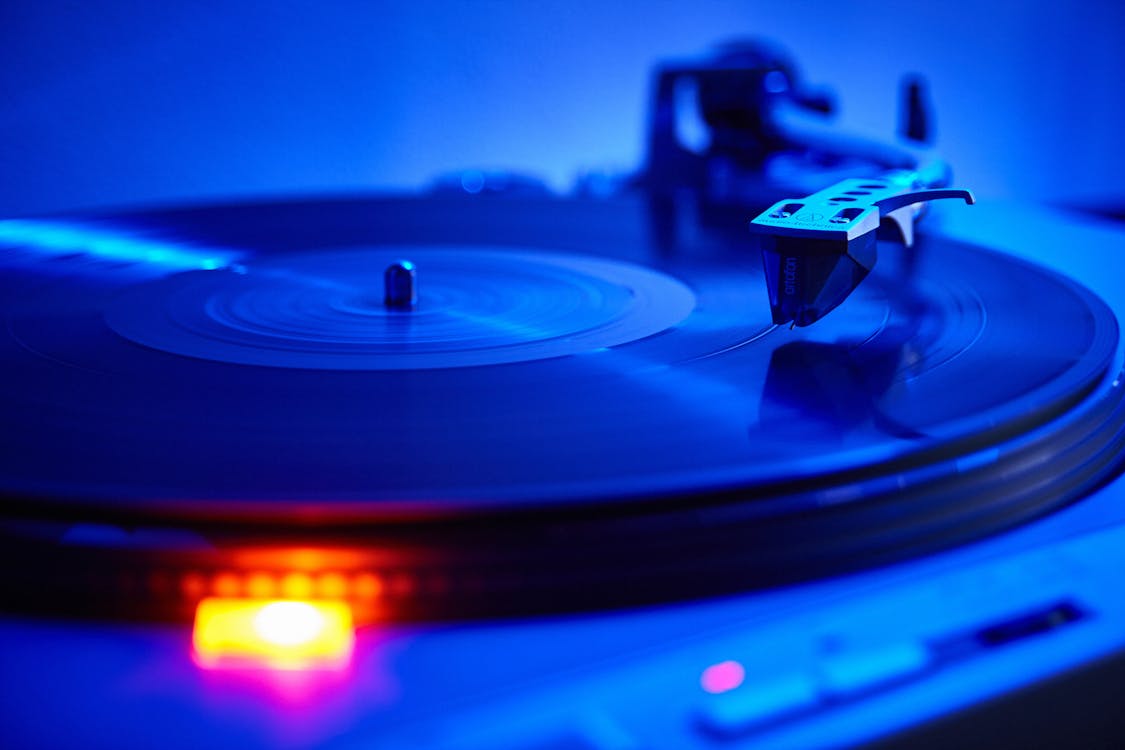
Cover Image Credit: Pexels / Alessandro Nofi (px:5657556)
Translated from the German original using artificial intelligence. The German version is authoritative.