


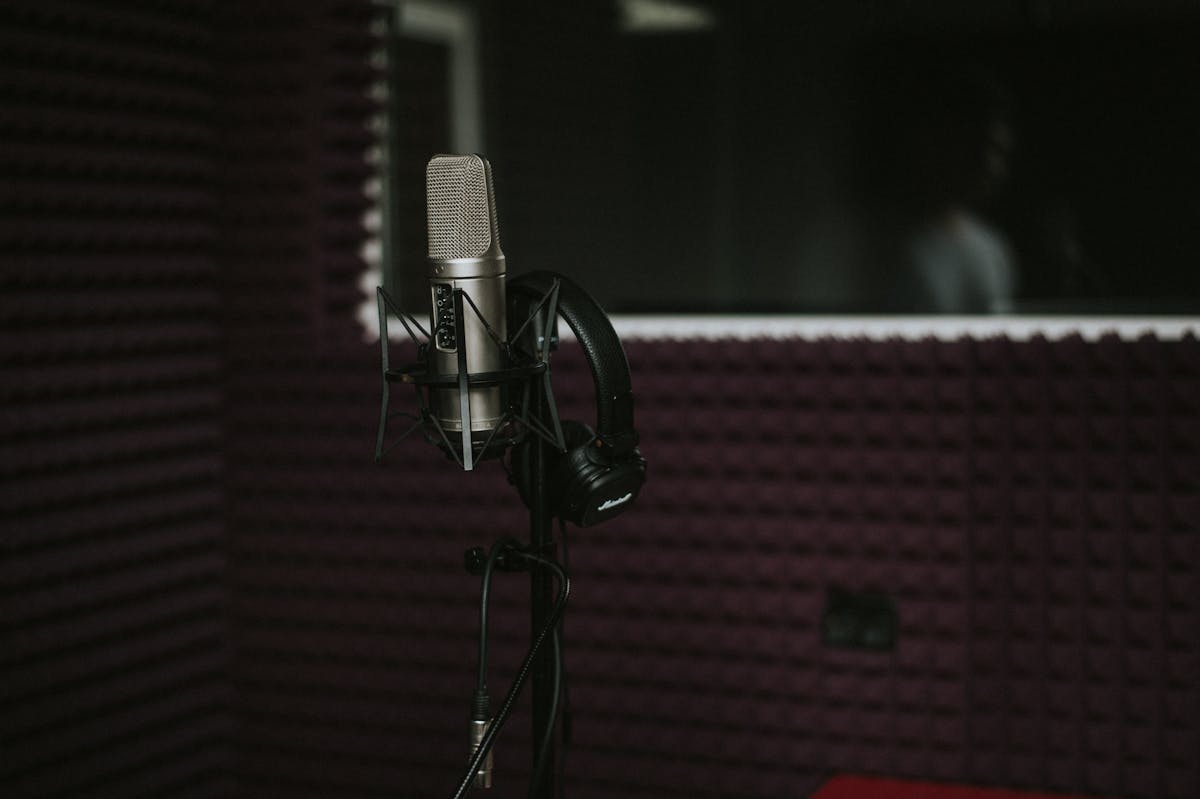
23 Nov Microphones for Vocals and Podcasts: Rode, Shure, Lewitt Tested
The microphone is the most direct link between artist and audience. Whether you’re singing, rapping, podcasting, or recording voiceovers, choosing the right mic makes all the difference between amateur and pro. Here are the top options for 2025.
Rode NT1 5th Generation
Rode’s reimagining of a classic. Dual-output: XLR and USB simultaneously, 32-bit float recording over USB, and a self-noise level of just 4 dBA – the quietest studio microphone in its price range. Its sound is neutral with a subtle presence boost that brings vocals forward. Price: approx. €260.
Shure SM7dB
The evolution of the SM7B: an integrated preamp means no Cloudlifter or expensive external preamp required. The legendary SM7 sound – used to record Michael Jackson’s Thriller – now connects directly to any audio interface. Dynamic, punchy, and broadcast-ready. Price: approx. €450.
Lewitt LCT 440 PURE
Lewitt’s answer to the NT1. A large-diaphragm condenser built in Vienna, featuring exceptional build quality and a transparent, detailed sound – never clinical. Includes a magnetic pop filter and shock mount in the box – small touches that simplify daily use. Price: approx. €270.
Elgato Wave:3
The best USB microphone for streamers and podcasters. Capacitive mute button, built-in mixer (via WaveLink software), headphone monitoring, and speech-optimized sound. Not a studio mic – but purpose-built for content creation. Price: approx. €140.
Audio-Technica AT2020USB-X
Audio-Technica’s USB upgrade of the AT2020. Improved A/D conversion, headphone output with mix control, and sound that closely matches the XLR original. Plug-and-play – no audio interface needed. Price: approx. €130.
Frequently Asked Questions
Condenser or dynamic microphone?
Condenser microphones (e.g., RØDE NT1, LEWITT LCT 440) capture more detail and sound more open – ideal in acoustically treated rooms. Dynamic microphones (e.g., Shure SM7B) reject background noise more effectively and are the safer choice for untreated spaces.
USB or XLR?
USB is simpler (plug-and-play, no audio interface required). XLR offers greater flexibility (higher-quality preamps, longer cable runs, wider microphone selection). If you already own an audio interface: go XLR. If not: choose a USB microphone – or the RØDE NT1 5th Gen, which supports both connections.
Which microphone costs under €150?
The Elgato Wave:3 (USB, optimized for podcasts), Audio-Technica AT2020USB-X (USB, vocal-focused), or Audio-Technica AT2020 XLR (€130, requires an interface). All three deliver professional-grade results at this price point.
Translated from the German original using artificial intelligence. The German version is authoritative.