


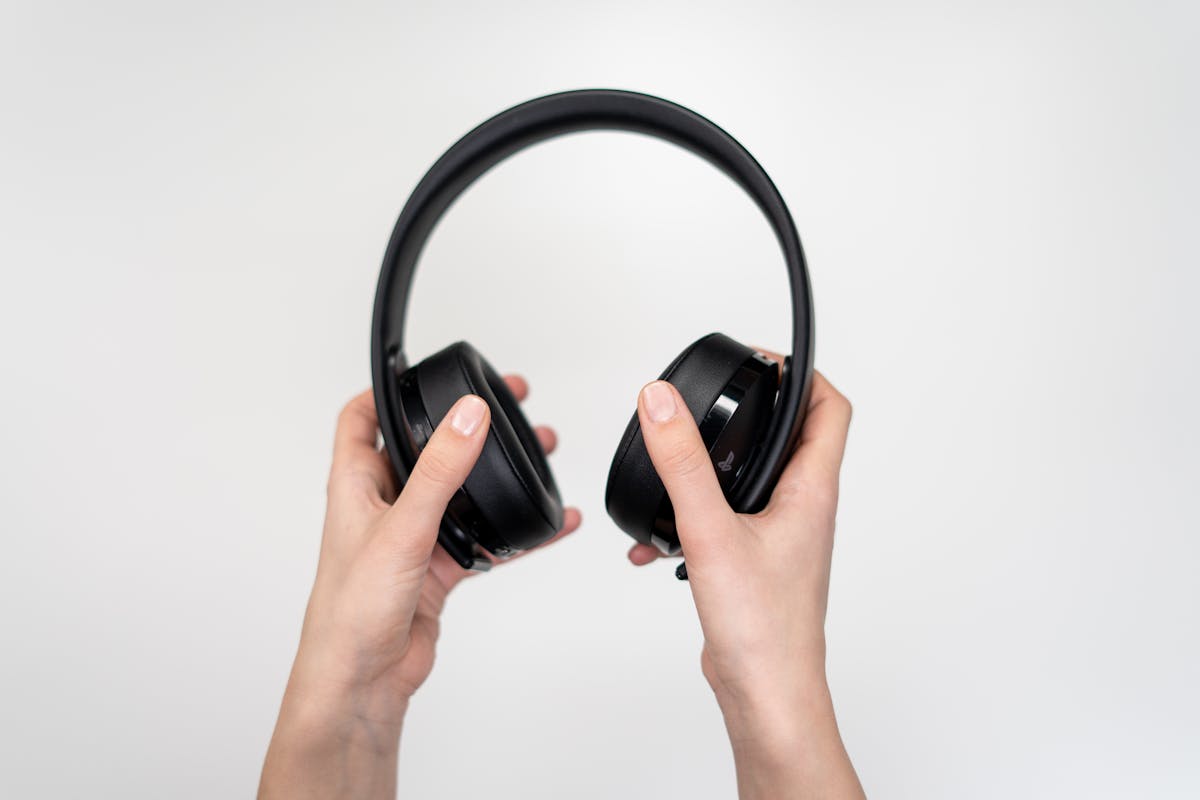
10 Mar Over-Ear vs. In-Ear: Which Headphones Suit You?
▶ 4:41 Reading Time
The question is as old as headphones themselves: Large ear cups or tiny earbuds? Over-ear or in-ear? The answer depends on how – and where – you listen to music, and what matters most to you in sound. Here’s everything you need to know.
Over-Ear: Why Big Cups Sound Better
Physics is on the side of large headphones. Larger drivers mean more diaphragm surface area – and more surface area means more air moved. The result: deeper, richer bass, a wider soundstage, and greater detail in the highs. Models like the Sony WH-1000XM5, the Sennheiser Momentum 4, or the Apple AirPods Max deliver sound no in-ear can match at this price point.
Add comfort into the equation: Circumaural earpads distribute weight evenly, and after an hour, you’ll forget you’re wearing them. The history of headphones shows over-ears have been the audiophile reference for over a century – and for good reason.
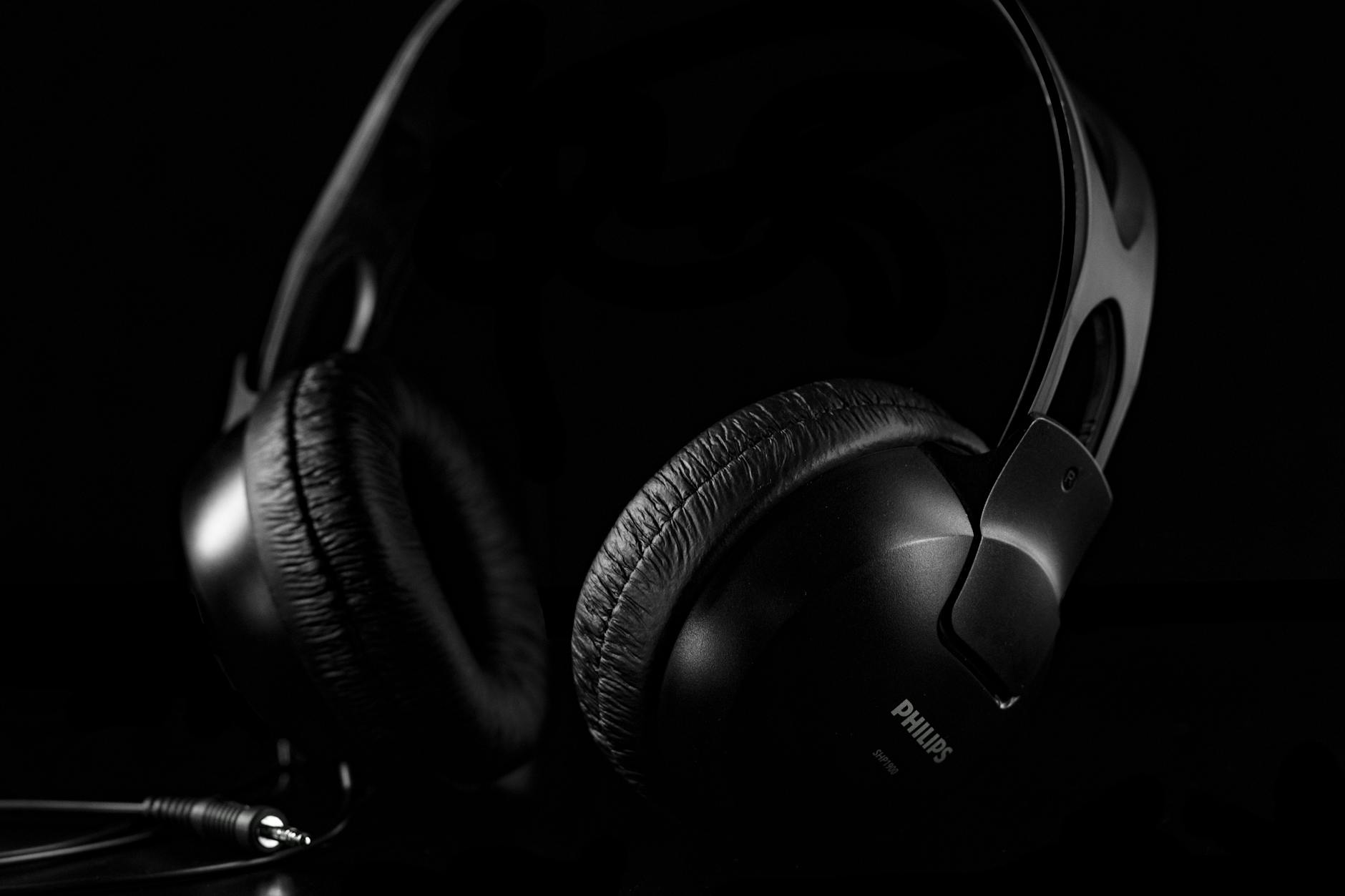
In-Ear: Small, sleek, and always with you
What in-ears sacrifice in soundstage, they make up for in portability. The AirPods Pro 2 fit effortlessly into any pocket and now offer ANC that rivals over-ear performance. The Sony WF-1000XM5 represent the current pinnacle of true wireless sound, while the Sennheiser Momentum True Wireless 4 prove astonishing sonic depth can live inside minuscule housings.
For sports, in-ears are the only sensible choice. Models like the Jabra Elite 8 Active or the Beats Fit Pro lock in place securely, resist sweat and water, and weigh under 10 grams per side. Jogging with over-ears? Forget it. The physics of bass works differently for in-ears: Direct placement inside the ear canal partially compensates for smaller drivers.
“The best headphones are the ones you actually wear – not the ones gathering dust in your drawer.”
ANC: Who Blocks Noise Better?
For years, active noise cancellation was the exclusive domain of over-ear headphones. That’s changed. Today’s flagship in-ears – especially the AirPods Pro 2 and the Sony WF-1000XM5 – deliver ANC performance unthinkable just three years ago. Still, over-ears retain a physical advantage: Their earpads alone block significant ambient sound before electronic ANC even kicks in.
For long-haul flights, office work, and immersive Dolby Atmos sessions, over-ears remain the gold standard. For daily commutes, subway rides, and gym sessions, in-ears are now functionally equivalent. Boundaries are blurring – and that’s great news for anyone who doesn’t want to buy two pairs.
- Sound quality is your top priority
- You listen for extended periods at your desk
- Bass and soundstage matter most to you
- You’re constantly on the move – or train regularly
- Portability and weight are decisive factors
- You need an all-rounder for every situation
ANC Compared: Who Blocks Better?
Active Noise Cancelling is the number-one purchase driver for many. And here, over-ear headphones hold a physical edge: Their sealed ear cups passively isolate far more sound than any in-ear ever could. Add electronic ANC on top, and silence becomes almost eerie.
The Sony WH-1000XM5 has long reigned as the over-ear ANC benchmark. On planes, trains, or in open-plan offices – you hear nothing but your music. The AirPods Pro 2 lead the in-ear ANC pack – but they battle a fundamental limitation: A tiny earbud simply cannot provide the same isolation as an ear cup fully enclosing your ear.
Where in-ears shine: Transparency mode. The AirPods Pro 2 feature the market’s best transparency mode – you hear your surroundings with startling clarity, as if your ears were bare. Unbeatable for situations where you want music and awareness. Over-ears can do this technically too – but walking through a supermarket wearing Sony XM5s makes you look like a DJ who lost his way.
Sound Quality: Which Sounds Better?
This gets technical. Over-ear headphones use larger drivers (typically 40-50 mm). Bigger drivers move more air, yielding fuller bass, clearer mids, and more detailed highs. This is physics – not marketing. Anyone curious about why bass moves your body will also grasp why larger drivers deliver more punch.
In-ears rely on smaller drivers (6-12 mm) but must move less air – the path from earbud to eardrum is dramatically shorter. The result: For everyday listening, high-end in-ears sound nearly as good as over-ears. The difference only emerges when you connect a DAC and play lossless audio. Then, over-ears reveal their superiority in soundstage width, instrument separation, and the sense of space music occupies.
For music production, over-ears are mandatory. The best studio monitors are one thing – but if you’re mixing on the go, you need headphones that show you everything. In-ears hide too much.
The Everyday Question: When Do You Wear Which?
The honest answer: You probably need both. Over-ears for home, for the studio, for long flights, for focused work. In-ears for your commute, for the gym, for calls, for anything requiring mobility.
What many overlook: Comfort over time. Over-ears grow warm after 2-3 hours – uncomfortable in summer. In-ears can become pressure-sensitive after 1-2 hours. There’s no perfect solution – only the better one for the moment. If you listen all day, switch between both. Your ears will thank you.
Then there’s the style factor. Over-ears make a statement. Beats, Sony, Bose atop your head say: “I listen to music – and I don’t care what you think.” In-ears are invisible. Ideal for business meetings, dates, or anytime you want to listen without anyone noticing.
Over-ear for sound and isolation; in-ear for mobility and daily life. The best choice isn’t dictated by price – but by where and how you listen. Those who can afford it buy both. Those forced to choose ask themselves: “Do I listen more at home – or on the go?” Your answer is your headphones.
Q&A After the Show
Are expensive headphones really better?+
Do in-ears damage hearing?+
Which type delivers better bass?+

How Headphones Changed the Way We Experience Music →
Dolby Atmos in Cars: Pioneer SPHERA Ends the Stereo Era →
Why You Don’t Just Hear Bass – You Feel It →
IBS Publishing is a publishing brand of evernine media
Header Image Source: cottonbro studio / Pexels
Translated from the German original using artificial intelligence. The German version is authoritative.