

16 Apr Bedroom Pop’s 37 Arenas: How DIY Sound Is Flipping the Music Industry
Sombr has just dropped his single “Potential,” two weeks after the 21-year-old held a 14,000-strong crowd in the palm of his hand at Coachella’s Gobi Tent—like it was an intimate bedroom gig. At the same time, he’s announced a 37-date arena tour for the fall, including a stop at Madison Square Garden. The question isn’t whether bedroom pop is shaking up the pop industry—it’s whether the genre can still be called bedroom pop when it’s filling arenas.
The Numbers Behind the Bedroom Pop Boom
What began a decade ago as an indie niche in New York bedrooms has since become a billion-euro segment of the music industry. The term “bedroom pop” describes tracks that aren’t made in professional studios, but on MacBooks, using free plugins—often before graduation. The aesthetic: intimate, lo-fi, emotional, produced at eye-level with your knees.
By 2026, this aesthetic dominates the pop charts. Not exclusively—hyperpop, Afrobeats, and country crossover still hold their niches. But no other genre has leapt from bedroom to arena quite so fast. The numbers below hint at a structural earthquake in the music business.
What these numbers don’t reveal is the difference between a viral moment and a career. Sombr isn’t the first to explode on TikTok. He’s one of the few who’ve made the leap from 15-second snippet to full songbook. Clairo, Olivia Rodrigo, beabadoobee—all carry bedroom pop DNA, all have already made the arena leap. That leap is no longer the exception; it’s the business model.
The Stages of a Bedroom Pop Career in 2026
Anyone recording a GarageBand demo in a shared apartment today is following a blueprint that didn’t exist five years ago. The stages are so clearly defined, they almost resemble an industry roadmap.
The pace is unprecedented. Artists like Clairo or Billie Eilish took seven to nine years to go from their first release to arena status. Sombr did it in five, Olivia Rodrigo even faster. This acceleration has two main drivers: TikTok as a parallel promotional engine, and Spotify algorithms that blend smaller acts into playlists dominated by 50-million monthly listener headliners.
What Pop Music Gains—and Loses—From This Shift
The bedroom-pop explosion is a revolution with two sides. On one: accessibility, raw honesty, emotion. On the other: a homogenized sound, fleeting relevance, and the brutal gatekeeping power of platforms. The debate among producers and A&R managers in 2026 is more heated than ever.
- ▸ Anyone with a laptop and passion can jump in—no $500,000 studio budget required.
- ▸ Emotional authenticity trumps technical perfection. Pop feels personal again.
- ▸ Less reliance on major-label gatekeepers—DIY isn’t a stigma anymore.
- ▸ Lyrically deeper than classic radio pop. Divorce, queer love, therapy talk—no topic’s off-limits.
- ▸ Sound homogenization: too many tracks blend together, same plugins for everyone.
- ▸ TikTok’s algorithm replaces A&R. If you don’t go viral, you don’t exist commercially.
- ▸ Short shelf life: one hit, then radio silence. Albums take a backseat; single cycles are brutal.
- ▸ Arena adaptation is tough: intimate sounds don’t fill 14,000-capacity venues.
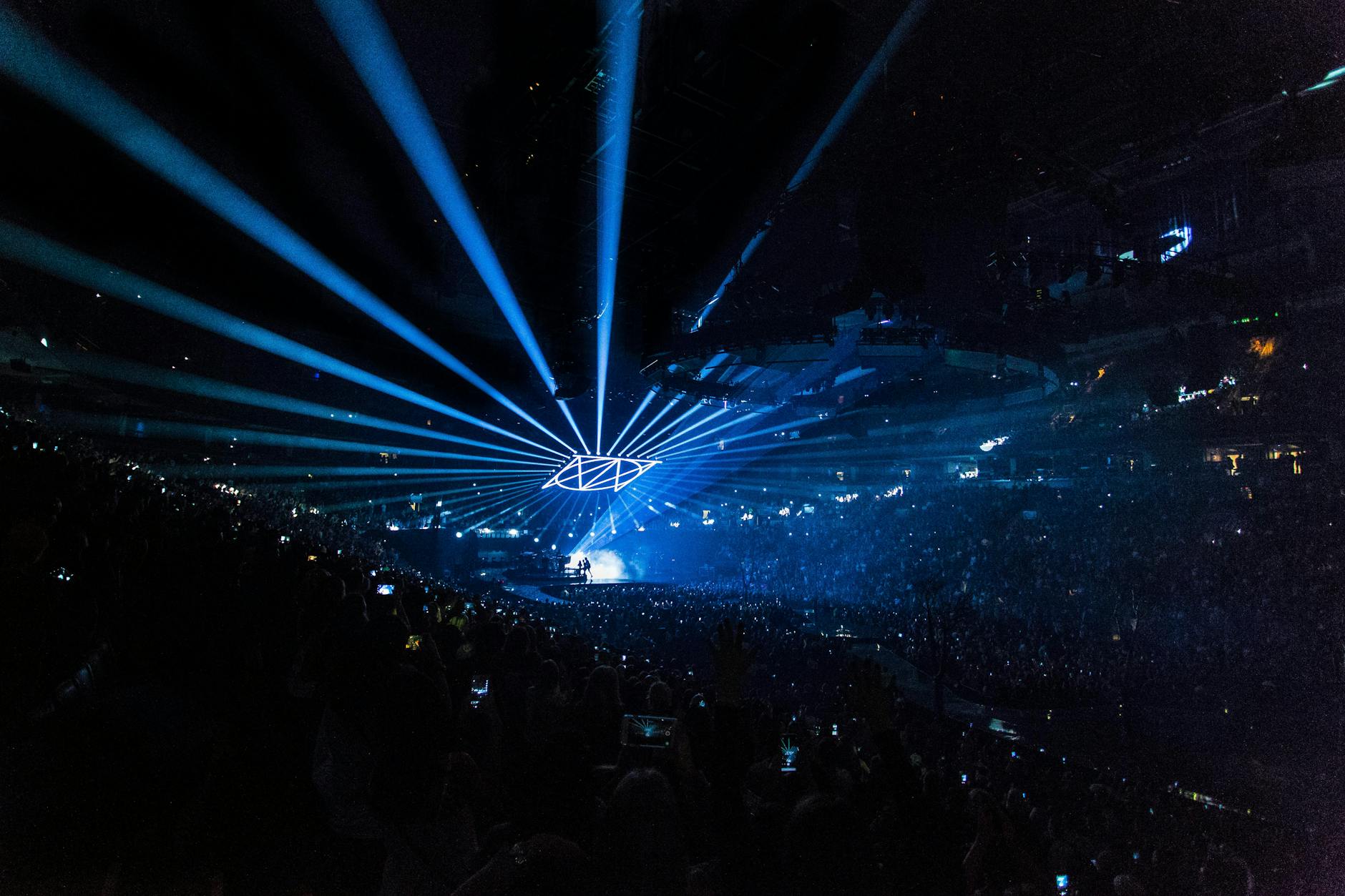
The arena adaptation is the tricky part. What works in headphones—reverb, whispers—often gets lost in a cavernous hall. Sombr’s Coachella set cracked the code with three tricks: LED walls displaying lyrics in real time, a three-piece live band (drums and bass) anchoring the sound, and a monitor mix that amplified vocals to augmented-reality levels. No longer bedroom-pop. But not classic arena-pop either.
The most common critique? Sound homogenization. Scroll through a Spotify indie-pop playlist, and you’ll hear the same formula: washed-out vocals with reverb, synth pads from Arturia plugins, soft 808s, harmonies built on seventh or ninth chords. One Berlin-based producer, who asked to remain anonymous, put it bluntly: *”This is the new smooth jazz. Technically solid, but hard to tell apart.”* Others counter that even 1970s studio productions followed patterns—just pricier ones. Nashville country-pop, Motown soul, 1990s boy-band harmonies: every generation had its own sonic uniform. The difference? We’re living through this one, making it harder to spot.
On the winning side of the ledger: lyrics. 2020s bedroom-pop tackles themes mainstream pop avoided a decade ago—depression, sexual identity, therapy, burnout, climate anxiety. Not in vague hints, but head-on. Song titles read like status updates: Mitski’s *”Nobody,”* Phoebe Bridgers’ *”I Know the End,”* Gracie Abrams’ *”I miss you, I’m sorry.”* It’s a tectonic shift in what pop music deems acceptable. Critics should flip through 2014’s charts—and ask which version they actually prefer.
The most fascinating evolution? Just as Boiler Room pioneers did, even established pop artists now structure songs with TikTok’s 15-second hook window in mind. Miss that window, and the algorithm skips you. Pop’s architecture is being rebuilt for the micro-attention economy. Whether that’s liberation or a new straitjacket depends on who you ask—the 21-year-old bedroom producer or the 55-year-old mixing engineer.
The business side is shifting too. Major-label deals are getting modular. Instead of 360-degree contracts locking artists into seven-year album cycles, joint ventures between artist LLCs and label imprints are becoming the norm. Sombr’s deal with Warner lets them keep publishing, merch rights, and tour economics. The new normal: artists as CEOs of their own mini-companies, labels as distribution and marketing partners. For young acts with lawyers and accountants, it’s a win. For those signing deals blind? A minefield where 50% of revenue can vanish into streaming aggregators and distributors.
The final twist comes from live music. Ticket prices for Sombr’s German shows range from 75 to 180 Euro—price tags that, three years ago, were reserved for Coldplay or Ed Sheeran. Bedroom-pop isn’t cheaper. It’s just wired differently: less stage production, more raw emotion between artist and audience. Whether the arena model holds long-term will show in the quarterly numbers. But for the 2026 season, the cash registers are ringing.
Q&A after the show
Click a question to expand the answer.
What defines Bedroom-Pop anyway?
Is Sombr really Bedroom-Pop or already mainstream?
How do I discover new Bedroom-Pop artists?
Can I produce Bedroom-Pop myself?
Which arena tour is worth seeing in 2026?

Olivia Rodrigo and the Gen Z vinyl revival →Boiler Room turns 15: How a webcam stream transformed club culture →Dolby Atmos Music: Revolution or marketing hype? →
IBS Publishing is a publishing brand of evernine media.
Header image source: Pexels / Wendy Wei
Translated from the German original using artificial intelligence. The German version is authoritative.