

24 Mar Monica: Jack Harlow’s R&B Gamble No One Saw Coming
▶ 5:23 Reading Time
Jack Harlow has stopped rapping. His fourth album, Monica, is a bold R&B statement – recorded at Electric Lady Studios, produced by Robert Glasper and Cory Henry. Reactions range from enthusiastic praise to stunned disbelief. That’s exactly what music sounds like when it takes real risks.
▼ Drop
- Full genre pivot: Not a single rap verse appears on Monica. For nine tracks straight, Jack Harlow sings R&B, neo-soul, and jazz-pop.
- Electric Lady Studios: Recorded in Jimi Hendrix’s legendary New York studio, co-produced by Grammy winner Robert Glasper and keyboardist Cory Henry.
- Polarized reception: Rolling Stone calls it “surprisingly solid”; Pitchfork scores it 3.1; Metacritic lands at 52.
- Billboard nosedive: Forecast for the Billboard 200: #36. His last album, Jackman, debuted at #2.
- Bolder than expected: Anyone anticipating another radio-ready hit like “Lovin On Me” won’t find one here.
Why a Rapper Stops Rapping
Some albums you instantly understand – and others you need time to unpack. Monica falls squarely into the latter category. Jack Harlow – the man behind the No. 1 hit “Lovin On Me” – released his fourth studio album on March 13, 2026. And it sounds like nothing he’s ever done before.
No rapping. No features from Drake or Lil Wayne. Instead: nine tracks straddling neo-soul, jazz-pop, and bedroom R&B – recorded at New York’s Electric Lady Studios. Produced with Grammy-winning pianist Robert Glasper and keyboardist Cory Henry. The only recognizable link to his earlier sound? His voice.
The question dominating the internet for the past two weeks: Is this courageous – or reckless?
What Happens on Monica
Monica is short. Nine songs. Twenty-eight minutes. No filler. No skits. No bonus tracks. In an era of 20-track albums, that alone is a statement.
“Trade Places” opens with a bass-heavy croon over smoky jazz piano. Harlow sings about trading places with a lantern, a doorknob, a stair railing – just to get closer to the person he loves. It’s absurd. It’s charming. And somehow, it works better than it has any right to.
“Lonesome” slows things further. Acoustic guitar. Sparse drums. Harlow’s voice laid bare – raw, fragile, unguarded. Here, it becomes clear: This isn’t a marketing stunt. He means it.

“Prague” is the album’s strongest track – a melancholy meditation on loneliness in a foreign city, carried by a Glasper piano line that sounds like it’s weeping. If Harlow earns a Grammy for Monica, it’ll be for this song.
“All Of My Friends” (featuring Ravyn Lenae) brings the album’s sole guest and reveals how well Harlow functions when anchored by a stronger vocal presence. The track feels like a bossa-nova remix of a lost Stevie Wonder B-side demo.
Source: Billboard, Pitchfork, Metacritic (as of March 2026)
The Risk – and the Reward
Let’s be honest: The numbers are bleak. Landing at #36 on the Billboard 200 is a commercial setback for an artist who topped the chart just two years ago with “Lovin On Me.” Spotify streams are a fraction of Jackman’s totals. And comment sections are tearing Harlow apart.
But here’s the counterpoint: Monica is the most interesting album Jack Harlow has ever made. Come Home The Kids Miss You (2022) was polished and predictable. Jackman (2023) improved – but still played it safe. Monica is the first Harlow album to truly polarize. And in a music industry that systematically pushes artists back into their comfort zones, polarization is currency – Megan Moroney is proving that right now in country.
Rolling Stone calls the album “surprisingly solid,” more or less. Clash describes a musician finally taking a risk. Even scathing reviews concede the production is exceptional. Glasper and Henry elevate Harlow’s limited voice to heights he’d never reach alone.
Editorial Take
What This Means for Hip-Hop
Jack Harlow isn’t the first rapper to dabble in R&B. Kid Cudi, Don Toliver, even Drake have blurred genre lines. Mike WiLL Made-It just proved producers can step outside their comfort zones too, with R3SET. But Monica goes further than most attempts: There’s no safe rap track as fallback. No featured artist to compensate for missing flow. No sonic nod to his old sound.
This is either the start of a new career phase – or an experiment followed by a swift retreat. Harlow’s next move will tell us which. If Album No. 5 returns to rap, Monica was a detour. If he stays the course, he could be playing in a league no one sees him in today – five years from now.
What remains undeniable: A 26-year-old walked away from his safest option to make something that mattered more to him than chart positions. In an industry that punishes risk, that alone is remarkable.
Monica is a commercial step back – and an artistic leap forward. Fans who know Jack Harlow only as a rapper will be disappointed. Those open to a musician stepping boldly out of his comfort zone will find nine tracks that are better than they have any right to be.
Q&A After the Show
Click any question to expand its answer.
Can Jack Harlow actually sing?
Why is the album called Monica?
Will he ever rap again?
Is Monica worth listening to if I’m not an R&B fan?
Which track on Monica is the best entry point?
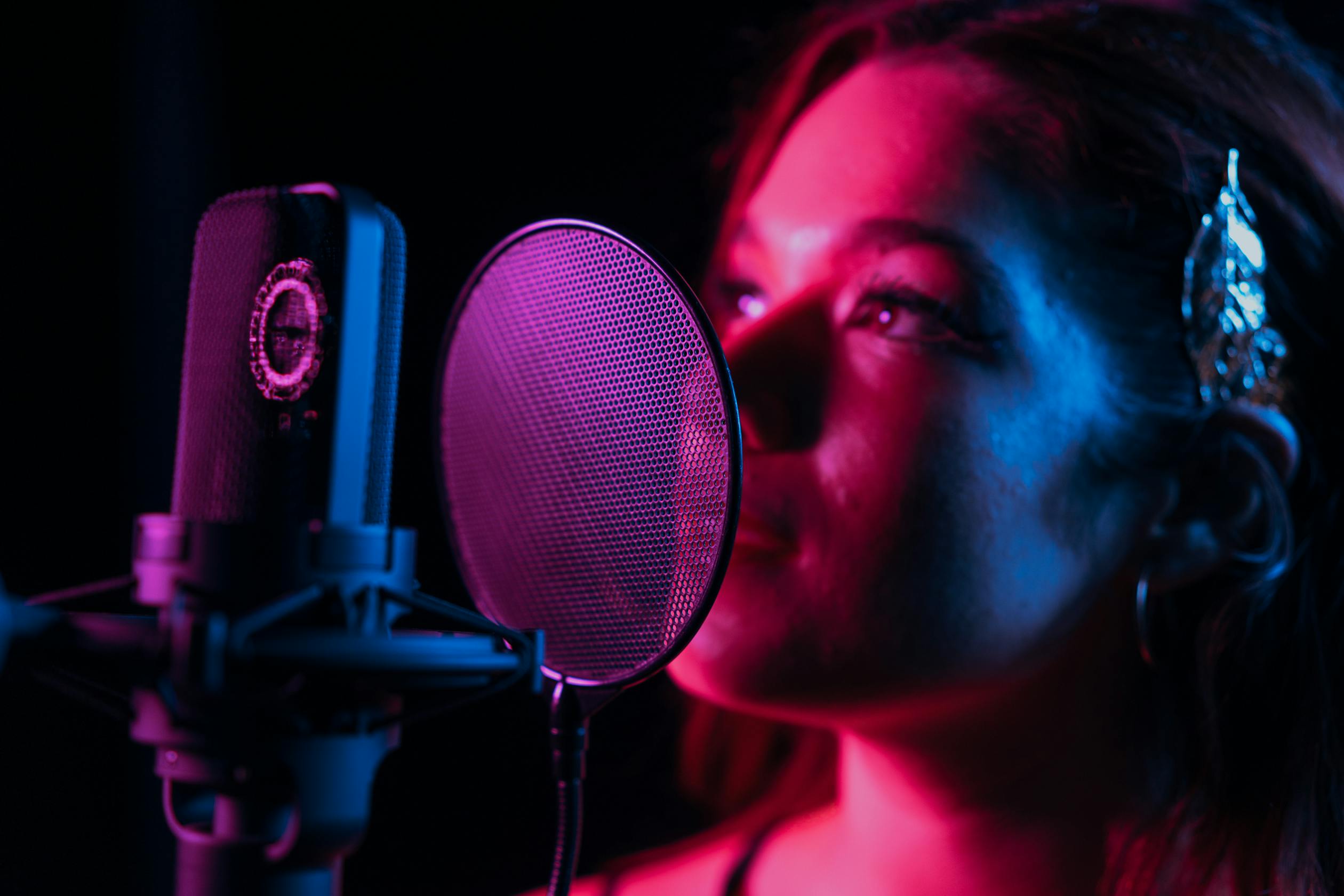
Header Image Source: Pexels / Los Muertos Crew (px:7586647)
Translated from the German original using artificial intelligence. The German version is authoritative.