

01 May Buying Guide for MIDI Keyboards: Which Controller Is Best for Beginners?
5:30 read time
A MIDI keyboard is the first real piece of hardware for most producers. But 25, 49, or 61 keys? With pads or without? The choice is vast and in-store advice often confusing. Here’s the buying guide that leads you to the right model.
01.05.2026
Why you need a MIDI keyboard
Unlike a synthesizer, a MIDI keyboard produces no sound of its own. It sends only control commands to your software, telling it which note to play, when, and how hard. The actual tones come from the instruments in your DAW. Sounds limiting? It’s actually the strength: one keyboard, endless sounds.
For nearly every producer, it’s the most natural input device. Chords, bass lines, and melodies are entered in seconds instead of painstakingly clicked with a mouse. Where the keyboard fits into the workflow is shown in our guide to producing songs for beginners.
Key Count: 25, 49 or 61
The most important decision is the size. It’s a compromise between desk space and playing comfort.
Ultra-compact, ideal for laptop setups and on-the-go. Perfect for beats, bass lines and one-handed jamming, but cramped for full chords.
The all-rounder. Enough range for two-handed playing and still fits on most desks. The best choice for most beginners.
For anyone with piano roots who wants to play properly. Takes up space and is the choice when the keyboard sits centre stage.
Key Action, Pads and Faders
Beyond size, key action matters. A good keyboard senses how hard you strike each note and translates that into volume and expression. Without it, every note sounds flat and lifeless. Today’s models almost always include it; if you’re buying second-hand, check the spec sheet.
Pads are small, velocity-sensitive rubber pads for drums and samples-beatmakers love them. Rotary knobs and faders let you tweak parameters like volume or filter in real time, no mouse required. Both are nice-to-have, but not essentials. A simple keyboard with solid key action will get you where you need to go. To see how it fits into the rest of your rig, check our comparison of studio monitors and headphones.
Budget and Clear Recommendation
The good news: MIDI keyboards are affordable. Solid 25- and 49-key models from well-known manufacturers start at around €80 to €130, often bundled with software that makes it easier for you to get started with a DAW. This makes it one of the most cost-effective and worthwhile purchases for your home studio.
The clear recommendation for most beginners: a 49-key keyboard with velocity sensitivity and a few pads. This covers almost every use case and will serve you well for a long time. Only those who work in a more piano-oriented way should consider 61 keys. Which DAW you control with it is explained in our Beginner DAW Comparison.
Q&A after the show
Click on a question to reveal the answer.
How many keys does a beginner need?
Do I absolutely need pads and faders?
How much does a good beginner keyboard cost?
Do I need to know how to play piano?

Editorial IBS Publishing
Producing your first song: from the first beat to release →DAW comparison for beginners: Ableton, FL Studio, Logic and Reaper →Studio monitors vs. studio headphones for your home studio →Mastering explained simply: the final step to your finished track →Setting up your home studio: interface, DAW and acoustics →
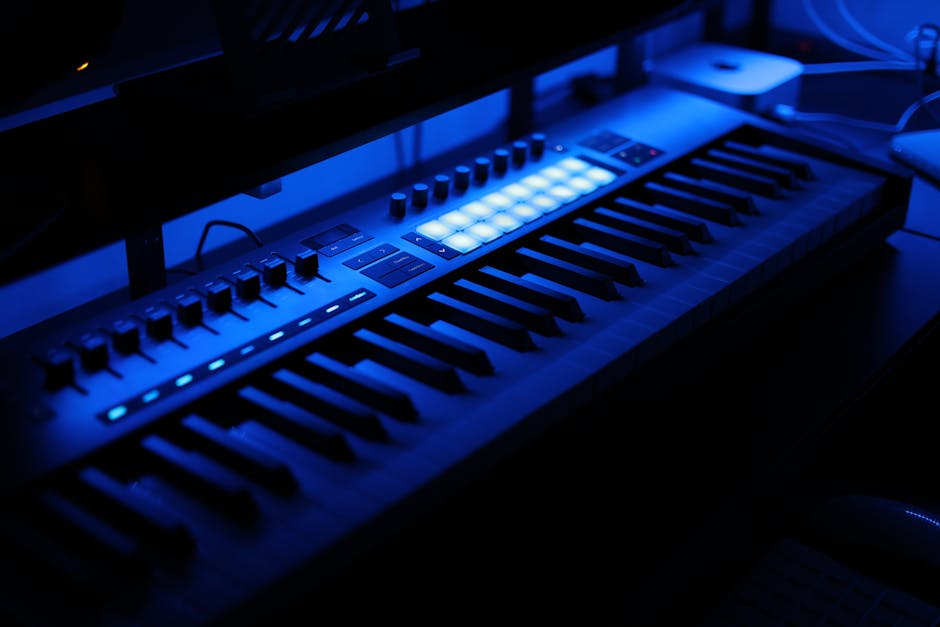
Featured image source: Pexels / Deise Elen (px:37005819)
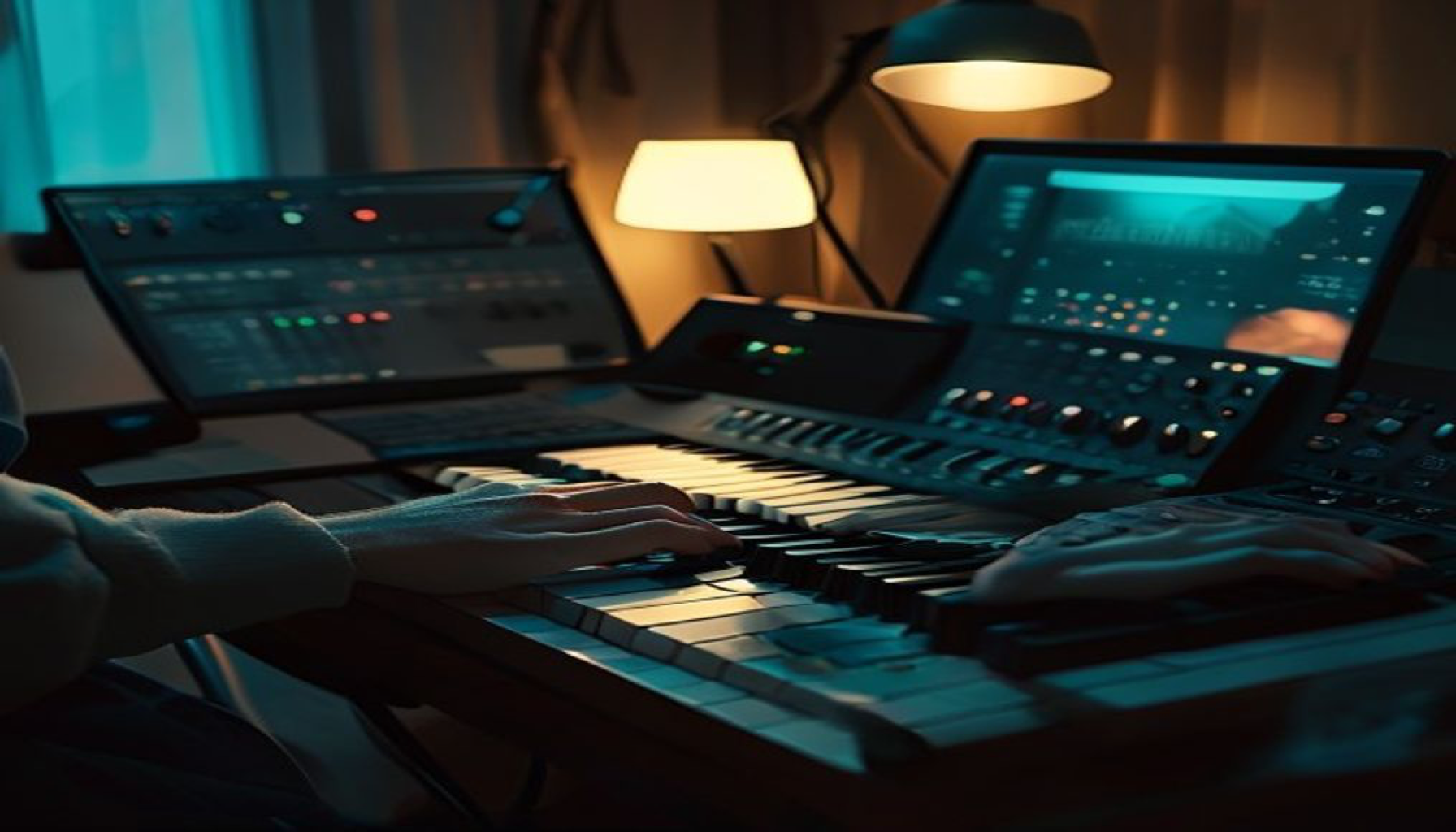
Image in article: AI-generated (May 2026)