


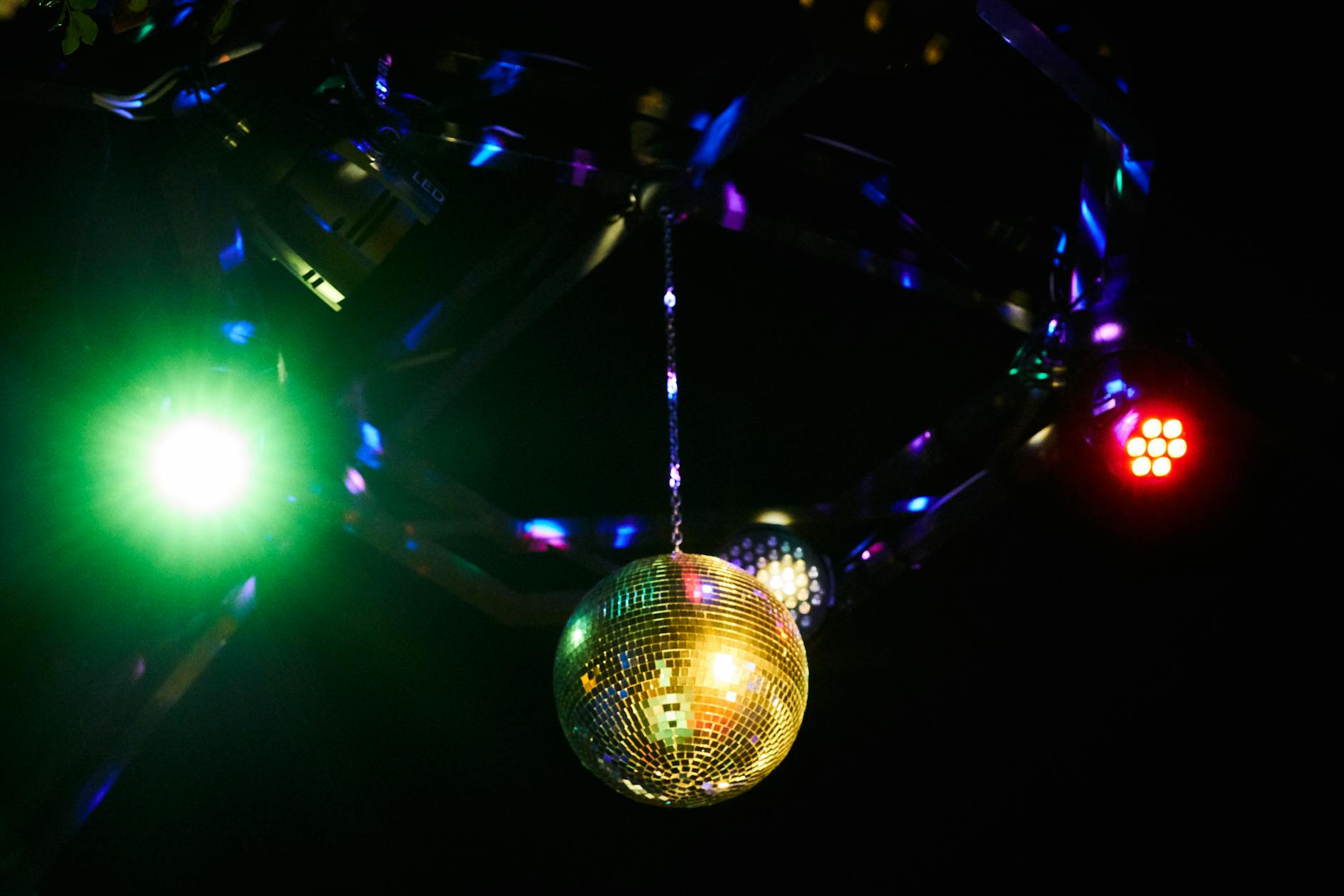
10 Jun Disco Lives: Why 2023 Was a Year of Renaissance
2:17 min read
There are moments in music history when a genre returns-not as nostalgia, but as an answer to the present. Disco was the sound of liberation. In 2023, we need exactly that again.
Key Takeaways
- Beyoncé’s “Renaissance,” Dua Lipa’s “Future Nostalgia,” and Sam Smith’s “Gloria” lean into disco/house
- Streaming data shows a 40% rise in disco tracks since 2020
- Disco was never just music-it was a liberation movement for LGBTQ+ communities and people of color
- The current revival differs from the original by its political consciousness
What Disco Really Was
Disco emerged in the early 1970s within Black and LGBTQ+ communities in New York. The Loft, Paradise Garage, Studio 54-these weren’t just music clubs. They were safe havens. In an era when police raids on gay bars were still legal, the dance floor became a fearless space. That’s why the backlash was so fierce. “Disco Demolition Night” in 1979 at Comiskey Park-where a radio DJ blew up disco records on a baseball field-wasn’t a protest against bad music. It was a cultural attack.
Beyoncé and Conscious Genealogy
“Renaissance” (2022) wasn’t accidental. Beyoncé explicitly traced the lineage of disco/house/ballroom-in credits, interviews, and the way she sampled Donna Summer, Nile Rodgers, and ballroom pioneers. This isn’t revival. It’s historiography. For a mainstream audience, it was an introduction: Here’s where this music comes from. Here are the people you owe it to.
Dua Lipa and the Accessible Entry Point
“Future Nostalgia” (2020) was the more accessible gateway. Dua Lipa collaborated with producers like Tove Lo and Jeff Bhasker to craft an album that sounds like disco without direct sampling. The result is pop that introduced an entire generation to the genre. “Levitating” became the most-streamed song of 2021. That means disco is no longer a niche in 2023.
Frequently Asked Questions
Why is disco popular again in 2023?
Disco is experiencing a revival driven by albums like Beyoncé’s “Renaissance” and Dua Lipa’s “Future Nostalgia.” Streaming data shows a 40% increase in disco streams since 2020. The genre now intersects with political movements and offers emotional escape through dance during times of crisis.
What does disco have to do with LGBTQ+ history?
Disco originated in the early 1970s within LGBTQ+ and Black communities in New York. Venues like Paradise Garage and The Loft served as safe spaces amid societal repression. The backlash against disco in 1979 carried strong homophobic and racist undertones.
Which current artists are leading the disco revival?
Leading voices of the disco revival include Beyoncé (“Renaissance”), Dua Lipa (“Future Nostalgia”), Sam Smith (“Gloria”), Kylie Minogue (“Tension”), and Carly Rae Jepsen. In the underground, producers like Honey Dijon and Peggy Gou are shaping the sound.
More from our magazines
More from InspiredByBeatz
Translated from the German original using artificial intelligence. The German version is authoritative.