

14 May Vinyl vs Shazam: What Our 2026 Listening Habits Reveal
▶ 6:20 min read · Listening habits 2026
You’re in a café, a song plays, and you pull out your phone to tap Shazam. Three seconds later—bingo, identified, saved, done. At the same time, someone at home drops the needle on a record, listens to Side A for twelve minutes straight without glancing at the sleeve, never knowing what’s next. Both scenarios are possible in 2026. Both work. Only one of them has outsold every other format for twelve years running.
What Shazam does to your listening habits—without you noticing
Shazam was launched in 2002, long before Spotify existed. Back then the idea was simple: hear a song on the radio, text a short code, get the title back. Today you tap a button and in the first two seconds you know exactly what’s playing. In 2024 Apple reported 100 million daily identifications, 23 million of them unique tracks (the rest are duplicates from bar speakers). That’s a cultural statistic. Twenty years ago a song in a café would play and vanish the moment you walked out the door. Today nothing is ever lost again.
That changes how you absorb music. Your brain knows every track is retrievable at any time. You listen less attentively because the act of remembering is outsourced to the app. A 2011 Columbia University study—dubbed the Google Effect—gave subjects facts and told them the data would be saved or not. Those with the save guarantee remembered the content worse. Translate that to music: if everything stays findable, you listen more superficially.
This isn’t a moral judgment. It’s an observation about what outsourcing does to attention.
Why vinyl is the antidote right now
In 2025, the U.S. sold 49 million vinyl records, generating $1.4 billion in revenue. That’s more than physical CDs, more than digital album downloads, more than any other physical music format. The global market is clocking in at around €24 million in monthly revenue (IFPI data Q1 2026). What makes these numbers interesting is who’s buying—and that’s where the difference lies. The largest buyer group is people aged 18 to 34. Exactly the generation that grew up with Shazam and Spotify.
Vinyl works for these listeners because of streaming fatigue, not in spite of it. A stream is a promise: everything is always there. A record is a commitment: this artist, this album, this moment. You spend €32 on a double LP because you no longer trust the stream. You want something that sits on your shelf and can’t be swiped away.
A Berlin-Kreuzberg record-store owner put it best in a Pitchfork interview last year: “My customers use Spotify to discover. They buy vinyl to stay.” That’s the cleanest formula of all.
What both habits share
- Finds any song in two seconds
- Saves the discovery for later
- Bridges the gap between wild discovery and personal taste
- Opens doors to genres you’d never actively seek
- Forces full-album listening, not skip culture
- Materializes a commitment to an artist
- Is a physical artifact that can’t vanish from a catalog
- Anchors attention in a listening room, not the wider world
Both satisfy the same craving: pulling a song out of the stream and owning it. Shazam owns it as data, vinyl owns it as an object. Both react to a streaming daily life where music flows like water and no single note lingers in memory. When you spend all day listening passively, eventually you start storing actively. With Shazam digitally, with vinyl physically. It’s the same gesture, just in different materials.
The honest flaw of vinyl as an identity statement
42 percent of vinyl buyers under 25 don’t own a turntable, according to a Luminate study from early 2025. They buy records as merch. They sit on the shelf, next to the plant, as a declaration that this artist is someone I listen to. That’s fine. It’s just not what vinyl purists mean when they talk about sound quality and analog warmth.
The truth lies somewhere in between. Vinyl is materialized loyalty—sometimes with a listening experience behind it, sometimes without. But that’s precisely what makes it the perfect counterbalance to Shazam culture. One mode is zapping, the other is committing. You need both because you can’t commit all the time and you don’t want to zap forever.
Why the industry isn’t shouting about this
Major labels profit from both channels. Streaming brings in cents, vinyl brings in euros. Universal admitted in 2024 that a €28 record delivers the same margin as 4,000 Spotify streams. Yet streaming is still marketed as the primary channel because it promises scalability, while vinyl belongs to the memory economy—hard to forecast and harder to control.
For artists, the math is simple: streams build visibility, vinyl builds revenue. If you’re an indie act planning to survive past 2026, you’ll structure album releases with a physical edition as the financial foundation and use streaming as the awareness layer.
This also changes how albums are made today. Record sides are back in focus. Eighteen minutes per side demand a sense of drama. Streaming albums, by contrast, resemble playlists without arcs. Artists who want to excel on both channels must deliver both: a vinyl arc and streaming hooks. Some can do it; others can’t.
What this means for you and your next record choice
If you buy a record because it looks great and you love the artist—even without a turntable at home—that’s fine. No one’s forcing a different narrative on you. But if you buy one, set up a player, and listen to Side A for twelve minutes straight, you’re having a different experience than hearing the same track in a stream. Not superior, not more noble—just different. More attentive.
You’ll still use Shazam when you need to, because it’s useful. Yet every time you purchase a record, you’re quietly compensating for the attention the stream has already taken from you. In 2026, that’s our music behavior in one sentence: we accept help where we can get it, and we buy back the patience we’ve lost.
Vinyl’s magic isn’t analog. It’s the magic of choosing something. That choice is becoming rare, so it’s becoming precious.
Playlist to Listen to
Five tracks blending streaming algorithms with vinyl pressings. From Shazam classics to indie albums with sold-out vinyl editions.
Q&A after the show
Click on a question to reveal the answer.
Do I need a turntable to understand vinyl culture?
Do artists earn more from vinyl or streaming?
How reliable is Shazam, really?
Does vinyl really sound better?
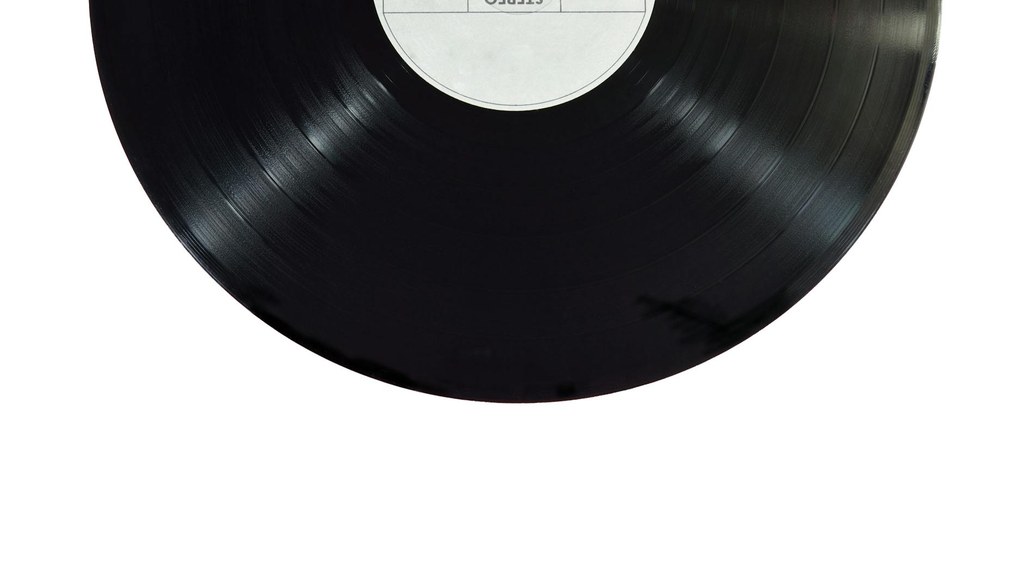
Source of title image: Pexels / Miguel Á. Padriñán (px:167092)
Translated from the German original using artificial intelligence. The German version is authoritative.