


22 Jun Hook-first 2026: Songs for the first 15 seconds
▶ 4:39 min read
The hit no longer starts at second 45. It has to ignite within three seconds. In 2024, 84 percent of the songs that debuted on the Billboard Global 200 first went viral on TikTok, according to the platform’s own study of 547 tracks.
What “hook-first” really means
Pop songs used to ease in. Intro, first verse, then the chorus as reward after about 45 seconds. That wait gave the chorus weight. Hook-first flips the script: the strongest moment often lands in the first seconds, sometimes before the first lyric. The song lays its punchline bare immediately, because otherwise it vanishes in the scroll.
The math is brutal: on TikTok you swipe on if the first three seconds don’t grab you. A track no longer gets 45 seconds of patience-just three. Producers therefore no longer write a song with a chorus first; they craft a hook that loops forever. How thoroughly this dethrones the old gatekeepers is also clear in the licensing battle between TikTok and the music industry.
84 percent show the shift
The most important figure comes from TikTok itself-from a source with a clear vested interest. Yet it’s hard to ignore. The platform analyzed which songs entered the Billboard Global 200 for the first time in 2024 and reached a clear conclusion.
Another twelve percent went viral simultaneously with or shortly after their chart debut. That leaves a slim minority that followed the traditional route via radio and playlists. While these numbers can be manipulated-a topic we’ve covered in depth in our piece on fake streams and chart bots-the trend remains unmistakable even after generous deductions.
Why is the hook moving to the front?
A TikTok clip gives a sound only a few seconds to shine. In that blink of an eye, viewers decide whether to share, recreate, or pass it along. The song must work in the exact clip another creator chooses-usually the hook. Producers no longer optimize the entire track; they focus on the moment that won’t grate in a loop.
The impact on production is tangible. Intros shrink or vanish. Vocals kick in earlier. The key is instantly memorable. And the one line that sticks is placed as far forward as possible. It’s the same logic behind festival line-ups: attention is scarce, so the strongest comes first.
What disappears after 15 seconds?
Here’s where it gets uncomfortable, especially for fans of short formats. A great hook can open every door. Yet sometimes the slow build, the bridge that flips a track, the moment after two and a half minutes when a song swells beyond its opening-none of that fits in 15 seconds. That’s why it quietly fades from the mainstream.
Hook-first doesn’t automatically mean bad music. Old Town Road, Bad Habit, or Say So rose through exactly this mechanism and still deliver. Harder to crack the code are the songs that need time to build tension and reward patience later. Those tracks end up in niches, on vinyl, or in playlists for listeners who still experience an album from start to finish.
What this means for you if you produce your own music
Pulling the hook to the front is legitimate-it’s no betrayal of art. But still build the track so it survives the 15 seconds. A strong intro that collapses into triviality afterward gets shared once and then forgotten. The tracks that truly last deliver the hook immediately and still have something to say afterward. Do both, not just one.
And if you’re making music that needs time: keep making it. It’ll just take a different route to the audience than a viral clip. It’s harder, but not hopeless.
Q&A after the show
Click a question to reveal the answer.
Does hook-first mean entire songs become irrelevant?
Is this just a pop phenomenon?
How can I tell if my hook is strong enough?
Does it still make sense to make music that needs time?

Fake streams: how bots manipulate the music charts →Music industry: who decides the sound? The TikTok licensing dispute →Music scene 2026: what festival line-ups really reveal →EDM beats 2026: four rhythms dominating the charts →Album summer 2026: why Olivia, Madonna and Ariana are dropping almost simultaneously →
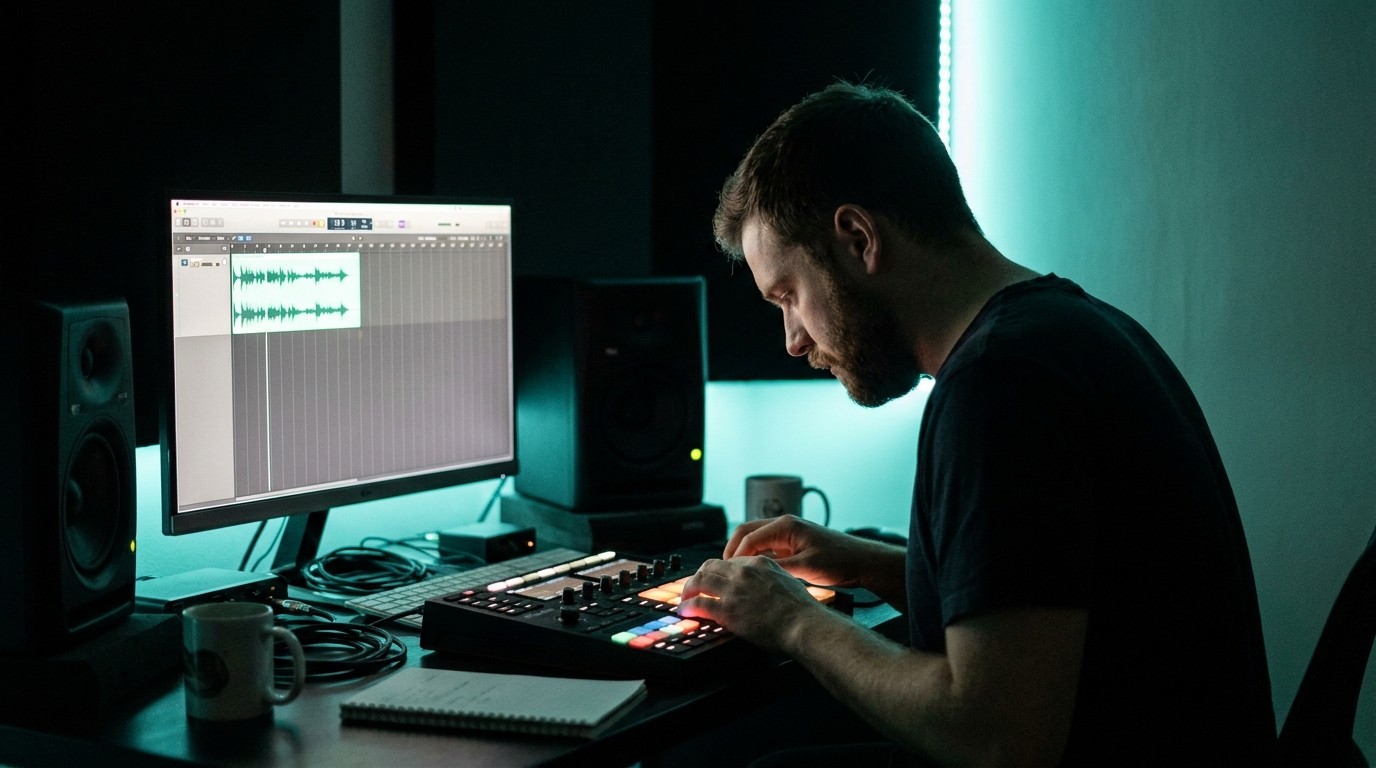
Image source: AI-generated (June 2026)
[/vc_column_text][/vc_column][/vc_row]Translated from the German original using artificial intelligence. The German version is authoritative.