


06 Jul Madonna ‘Confessions II’: Back on the Dancefloor
4:30 min read
Madonna dropped “Confessions on a Dance Floor: Part II” on July 3, a direct sequel to her 2005 electronic landmark. The crucial name isn’t in the title, though-it’s in the credits: Stuart Price, architect of the original, is back at the helm. That’s precisely why this album is more than recycled nostalgia. Anyone who grasped the seamless, DJ-mix flow of the first Confessions knows this sound doesn’t work without Price. Critics are already hailing it as her best work in twenty years.
DROP
- ▸Release on July 3: “Confessions on a Dance Floor: Part II” is Madonna’s 15th studio album and a sequel to the 2005 landmark.
- ▸Stuart Price back at the helm: The original producer helmed the sessions largely in his London studio.
- ▸Generational guests: Sabrina Carpenter, Feid, Stromae and Madonna’s daughter Lola Leon feature.
- ▸Three advance singles: “Bring Your Love” with Sabrina Carpenter, plus “Love Sensation” and “Danceteria.”
- ▸Rave reviews: Many critics call it Madonna’s best album since the original Confessions.
Why Stuart Price Makes All the Difference
The original from 2005 wasn’t just another pop album-it was a seamless DJ-set narrative: every track flowed into the next without pause, no breaks, no breathing room. That concept was largely Price’s doing, blending French house, disco and Italo into a sound that belonged on the dancefloor yet still worked on radio. “Hung Up,” with its ABBA sample, became a global smash because Price married a four-on-the-floor kick drum to a pop melody. Bringing the same signature to the sequel is the most logical and riskiest move at once. Logical because nobody else nails that sound. Risky because a second helping can easily taste like a photocopy. That critics still hail the album proves Price evolves the DNA instead of just scanning it. How much such production choices shape a track’s character is also clear in today’s EDM rhythms and their chart impact.
Warner Records
What a Dancefloor Sequel Risks Twenty Years On
A sequel to a beloved album is always a wager against memory. The original is now a classic; every new note is measured against it. Madonna sidesteps the trap by not trying to write “Hung Up” a second time. Instead, she takes the principle-seamless groove, disco warmth, no ballad brakes-and refreshes the surface. It lands in a bigger moment. The dancefloor is back; house and disco once again dominate the charts. The divide between club and radio has rarely been so porous. What’s bringing electronic music back to the big stages right now is something we explored in Fred again.’s live approach. Madonna’s timing hits a nerve she helped create in 2005.
Guest list as a generational bridge
Who appears on an album as a featured vocalist makes a statement. Sabrina Carpenter stands for today’s Gen-Z pop, Stromae for European art-pop, Feid for the reggaeton wave, and even Madonna’s own daughter Lola Leon. This mix isn’t accidental; it’s a deliberate attempt to translate the original for an audience that wasn’t in the club in 2005. That’s the art of the sequel: it must welcome the older crowd while winning over the younger one. Whether it carries the full album length will be decided in the listening. The approach, however, is smart. How a track is polished into radio-ready shape without losing its club soul is, by the way, its own science-we’ve broken it all down in our Radio-Edit Guide.
Q&A after the show
Click on a question to reveal the answer.
When does “Confessions II” release and who produced it?
Why is Stuart Price so central to this album?
Which guests appear on the album?
Is it really a direct sequel to the original?
[/vc_column_text][/vc_column][/vc_row]

Editorial IBS Publishing ››
EDM Beats 2026: Four rhythms dominating the charts →Fred again.. live: The future of the electronic stage →Radio edit for club tracks: How to tailor your track for radio →
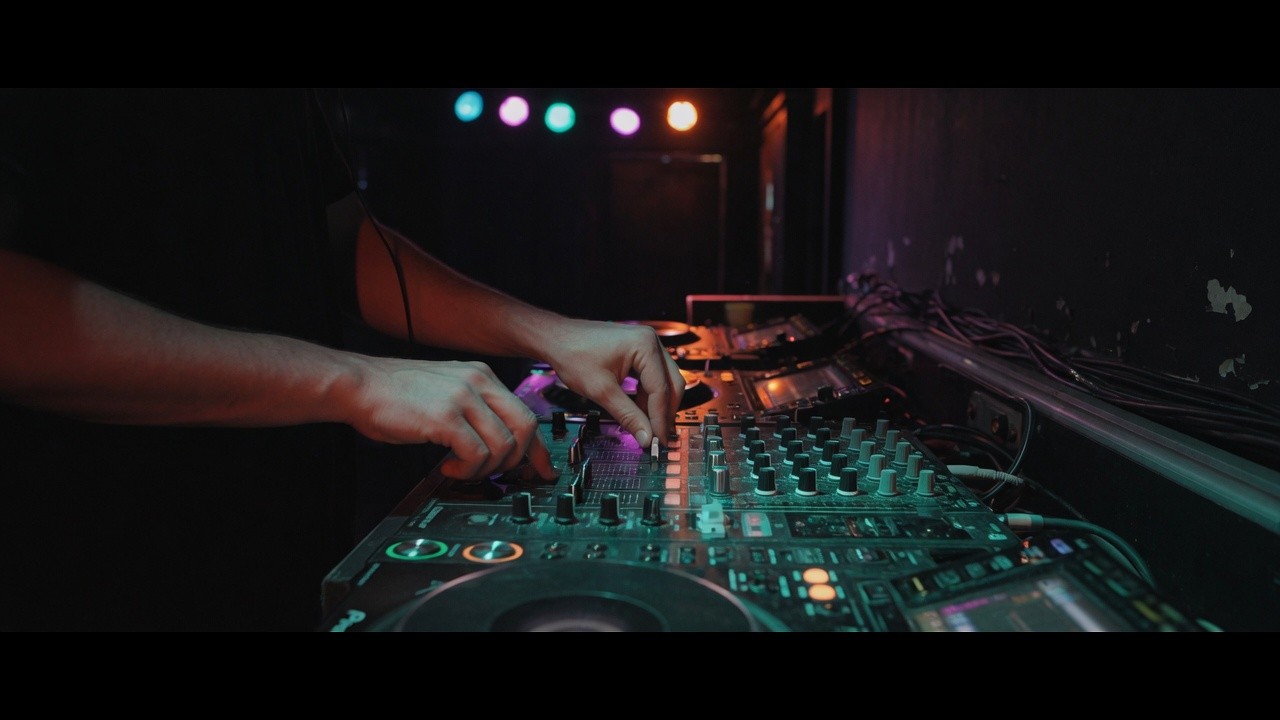
Image source: AI-generated (July 2026)
Translated from the German original using artificial intelligence. The German version is authoritative.