
15 Jul Adam Lambert: Indie Vinyl as a Community Drop
▶ 2:27 read time
Adam Lambert is pushing hard on X again-this time toward Spotify and indie vinyl. The real story isn’t “vinyl is back.” It’s this: why an artist drop in a record store works as a social object, and why streaming can’t replace that.
What the Drop Really Is
Indie exclusives aren’t about “better-sounding music.” They’re scarce objects with an address: this store, this window, this night. The artist delivers the signal, the store provides the stage, and the community builds the story.
When Lambert points toward Spotify on X while vinyl collectors wake up, parallel traffic happens: streaming for the ears, records for the shelf-and the chat.
Store-Finder Logic Over Internet FOMO
Good drops name stores, quantities, and pickup windows-or at least the distribution channel. Bad drops just feed screenshots. For the DACH region, that means independent record stores, often via label lists or Record Store Day-like logic, even outside the official RSD date.
Those who sell aren’t just selling black vinyl. They’re selling the half-hour in the store when someone asks, “Have you heard this track yet?”
Streaming scales listening. Indie vinyl scales conversations.
First Listen vs. First Hold
First listen belongs on good headphones or speakers-catalog and singles. First hold is the physical object: cover, weight, insert. Both can happen on the same day. Neither replaces the other.
That’s why the interesting KPI isn’t “how many streams.” The interesting KPI for stores is: how many people came, stayed, and talked about the same drop.
How DACH Stores Are Handling It
1) Drop night with two tracks from the catalogue in-store.
2) Clear pickup quantities-no fake scarcity.
3) Parallel link to the stream for those who want to listen before buying.
4) Prices communicated only in Euro-simple, no fuss.
If you want the full format war, check out the older Vinyl vs. Streaming piece. Here, the story ends with the social object.
Adam Lambert – Whataya Want From Me ’24 Remix▶ Spotify
Adam Lambert – Whataya Want from Me (Alt)▶ Spotify
Note: Check track IDs daily in the artist profile-single drops change. Must-have: real open.spotify.com links, no search placeholders.
Q&A after the show
Click on a question to reveal the answer.
Is this a sell-out item?
Do I need vinyl to “understand” the artist?
Where can I buy indie exclusives in DACH?
Competition with streaming?
What is the IBB angle?
Vinyl vs. Streaming: Why records are booming again → Friday 17.07.: Nia, Gracie, Steve Lacy → Lolla Berlin 2026: 48 hours in Olympiapark →
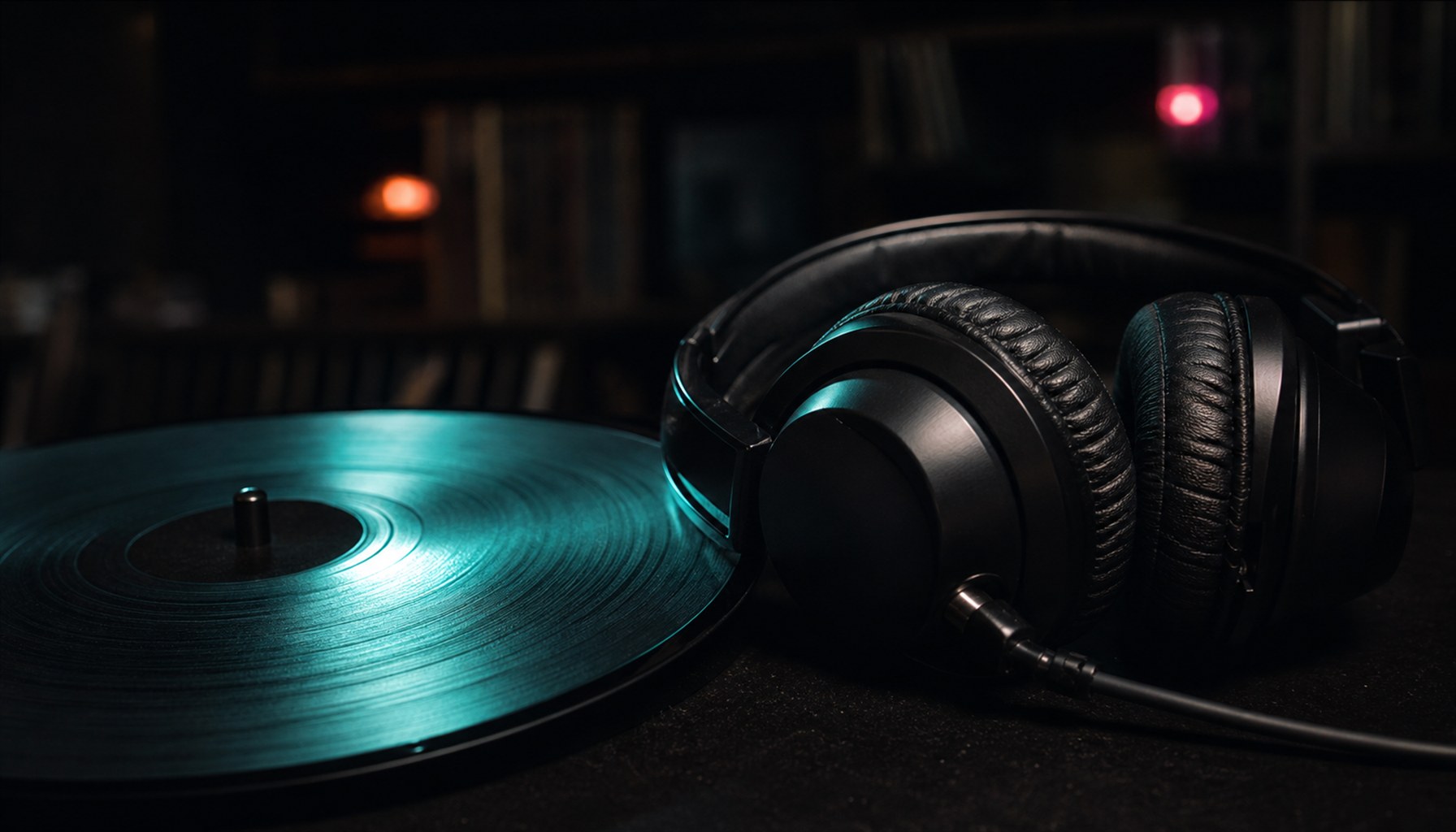
Image source: AI-generated (July 2026)