


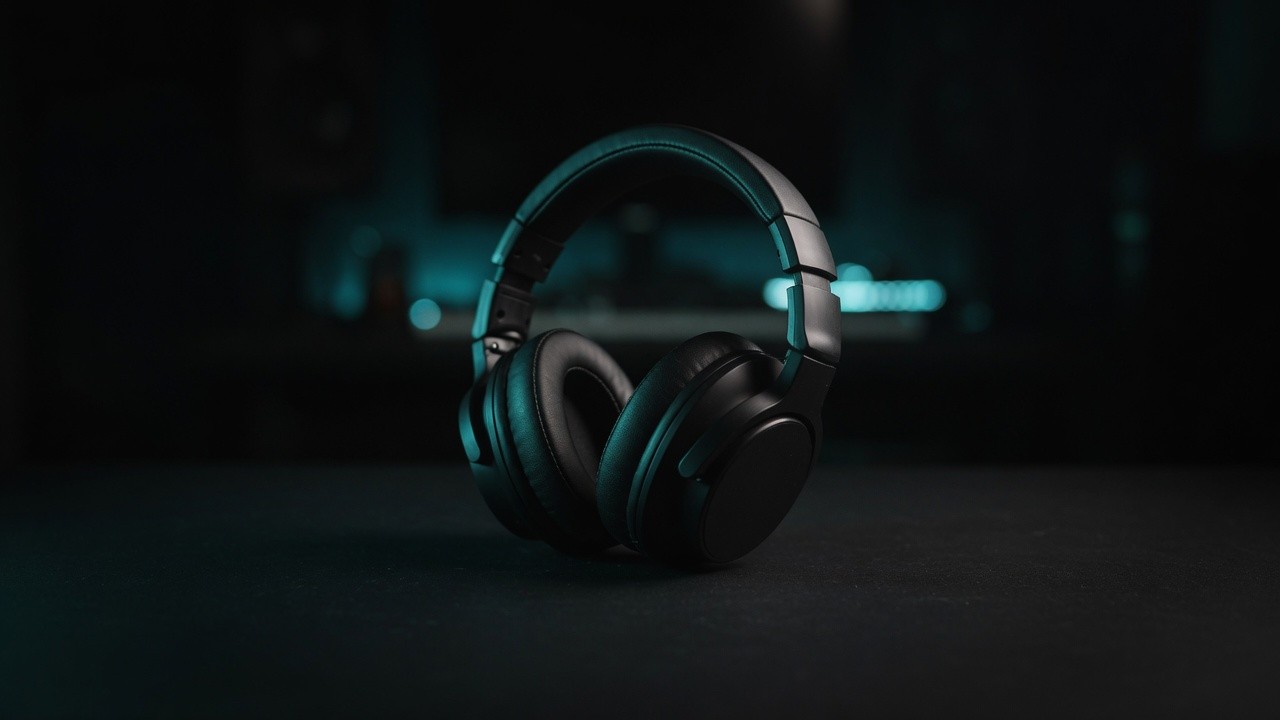
12 Jul Studio Headphones Under 200 Euros: 4 Classics Compared
5:10 read time
The DT 770 Pro, ATH-M50x, MDR-7506, and AKG K371 are the four headphones found in most home studios. All four cost less than 200 Euro, all four can be used for mixing and playback, yet each sounds different. Choosing the wrong model means mixing against a sound that isn’t even in the track. This comparison sorts out which headphone fits which task.
DROP
- ▸ Beyerdynamic DT 770 Pro (around 130 Euro): closed-back, wide soundstage, boosted treble. The recording standard because nothing leaks out.
- ▸ Audio-Technica ATH-M50x (around 140 Euro): closed-back, punchy bass, rugged and foldable. The all-rounder for on the go and in the studio.
- ▸ Sony MDR-7506 (around 100 Euro): closed-back, analytical, brutally honest. Since the 90s the reference headphone in broadcast and post-production.
- ▸ AKG K371 (around 140 Euro): closed-back, tuned to the Harman target curve, very neutral. The newest in the field and the most balanced.
- ▸ Rule of thumb: closed-back for recording, neutral for mixing. None of these four replaces a good monitor speaker, but each gets you closer to a solid mix.
Why closed-back and not open-back
All four here are closed-back headphones-and that’s no accident. Once a microphone is live in the room, nothing can leak out of the headphones, or the click track will bleed onto the vocal track. Closed-back design isolates sound; open-back models like the DT 990 or Sennheiser HD 650 sound airier but are useless in the same room as an open mic. The trade-off for isolation is a narrower soundstage. Closed-back models build the space smaller, making reverb tails and panorama harder to judge. That’s why many studios split the workflow: closed-back for recording and loud environments, open-back for final mix evaluation in a quiet space. If you’re buying only one pair, closed-back is the safer bet because it handles both jobs at least competently.
The character of the four in detail
The Beyerdynamic DT 770 Pro is the classic for tracking. Its soundstage is surprisingly wide for a closed-back headphone, with crisp highs that reveal details but can feel fatiguing on sibilant recordings. It’s available in 32, 80 and 250 Ohm. The 80-Ohm version strikes the best balance between interface volume and bass control. The Audio-Technica ATH-M50x delivers the punchiest bass of the quartet and the sturdiest build. It folds flat, the cable is replaceable and it lasts for years. The bass makes it a favorite with beatmakers, yet it tilts the balance slightly: anyone mixing exclusively on the M50x often ends up dialing the track’s bass too far down. The Sony MDR-7506 is the veteran. Analytical, mid-focused, uncomfortably honest. It flatters nothing, which is exactly why it’s been in TV studios and edit suites for decades. For editing, dialogue and troubleshooting in the mix, it’s unbeatable value. As a casual-listening headphone, it’s not a pleasure. The AKG K371 is the newest design and the most neutral. AKG tuned it to the Harman target curve-the frequency balance that most listeners prefer in blind tests. The result is a headphone that neither leans forward in the bass nor the treble. For beginners hunting a reliable reference, it’s the safest pick.
Impedance, gain and connecting to the interface
A common stumbling block for newcomers is impedance. The DT 770 Pro in the 250-Ohm version needs more voltage than some budget interfaces’ headphone jacks can supply. The outcome is a weak, low-volume sound that’s not the headphone’s fault but the lack of drive. The 80-Ohm version or an interface with a strong headphone amp solves the issue. The M50x, the 7506 and the K371 all sit in the low-impedance range and play loud enough on every interface, laptop and phone. If you’re working exclusively on a notebook or a mobile rig, these three are therefore the better choice over the high-impedance Beyer model.
Which headphones for which task
For pure recording and maximum isolation, the DT 770 Pro is the go-to. For the mobile all-rounder with robust mechanics, the M50x. For editing, dialogue and a tight budget, the 7506. And for a neutral mix reference you can trust, the K371. None of these four is a bad buy, and none replaces a proper monitoring setup with treated acoustics. But each one takes your tracks further than any laptop’s built-in cans ever could. If you know your main focus, this list gives you a decision that will last for years.
Sony MDR-7506
AKG K371
QÂÂ after the show
Click on a question to reveal the answer.
Is a pair of headphones enough for mixing, or do I need monitor speakers?
What does the ohm rating on the DT 770 Pro mean?
Open-back or closed-back: which is better?
Is the extra cost over a €50 headphone really worth it?
[/vc_column_text][/vc_column][/vc_row]

Editorial Team IBS Publishing ››
Why your studio monitors are lying to you: it’s the room →Spatial-audio headphones 2026: what the NAMM reveals for mixing →Understanding loudness: why your master sounds quieter →Vocal tuning: Autotune or Melodyne for better sound →Thirty trunks, one bass: the sound culture beside the club →
Image source: AI-generated (July 2026)